Spain is preparing a fresh round of fuel subsidies from October as diesel and petrol prices approach historic peaks. The government is now relying on Brussels to shape the next steps. The outcome will affect millions of drivers and businesses this winter.
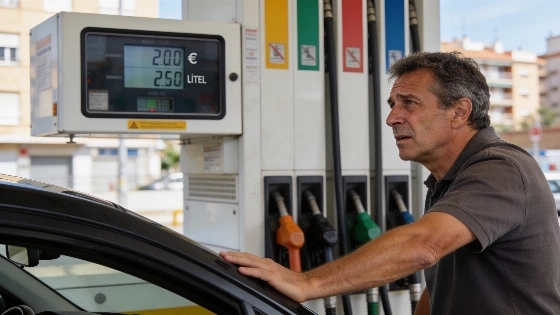
Spanish drivers and businesses are bracing for higher costs if the government does not extend fuel subsidies by October. Diesel has already reached 2 euros per litre, and the European average is even higher. If the current support ends, prices could jump by 25 cents per litre overnight, putting extra pressure on households and the transport sector just as winter demand rises.
This time, Madrid is looking to Brussels for direction. The government has asked the European Commission for guidance and support as fuel prices climb across the continent. Any new Spanish measures will now depend on the framework set by the EU, reflecting how energy prices have become a Europe-wide problem. The upcoming Ecofin meeting of EU finance ministers, set for Friday the 18th, will be key in deciding whether there will be a coordinated response.
In August 2026, diesel prices in Spain surged by approximately 30.3% year-on-year, while petrol rose by 16.9%, according to data from the National Statistics Institute (INE).
Spain’s current anti-crisis plan, which includes a proportional discount on the Hydrocarbons Special Tax (IHE), runs out at the end of September. Earlier efforts to cut VAT on fuel to 10% were blocked after Brussels objected, forcing the government to change course. With inflation at 4.3% year-on-year and the August Consumer Price Index confirming the trend, Economy Minister Carlos Cuerpo has said new support measures are being considered. He has promised to keep helping families as prices rise, but the details will depend on what is agreed with the EU.
Industry groups are warning of the impact. The Confederación Española de Empresarios de Estaciones de Servicio (CEEES) has formally asked the government to bring back the 10% VAT rate and further reduce the IHE, arguing that the current price surge is unsustainable for both consumers and businesses. Meanwhile, countries like Portugal and Italy have kept their own fuel aid programs, adding pressure on Spain to act.
The price spike is driven by a mix of high demand, reduced refining capacity, and geopolitical shocks—including the ongoing effects of the Russian invasion of Ukraine and recent instability involving Iran. These factors have pushed European fuel markets to the edge, with supply constraints and record prices threatening economies across the EU. The Spanish government, helped by strong tax revenues, has some room to act, but any new aid package will need to fit EU rules and broader European strategies.
Current fuel tax relief in Spain—20 cents per litre for diesel and 5 cents per litre for petrol—remains in effect only until the end of September. The government has publicly stated its readiness to extend support, but any decision will depend on September inflation data and ongoing discussions with the EU.
RTVE
With the current decree set to expire soon, there have been no formal talks yet with affected sectors. The government is waiting to see what direction Brussels takes before making its next move. If the EU backs a coordinated response, Spain could introduce a third round of fuel relief since the start of the Washington-led intervention in Tehran. The stakes are high: without action, Spanish families and businesses face another sharp price increase, while a well-designed aid package could soften the blow as Europe heads into winter.
Spain’s decision to wait for Brussels is both practical and telling. It shows the scale of the crisis and the limits of acting alone in a global energy crunch. With other European countries already extending their own support, Madrid’s next steps will be closely watched—not just for their effect on Spanish drivers, but as a sign of how well the EU can respond to shared economic threats. The outcome will help shape energy policy across Europe as the colder months approach.