Ángel Gabilondo has asked Spain’s Constitutional Court for urgent measures after the Supreme Court kept some overseas registrations suspended. The dispute affects 163,020 people ahead of the November 29 elections.
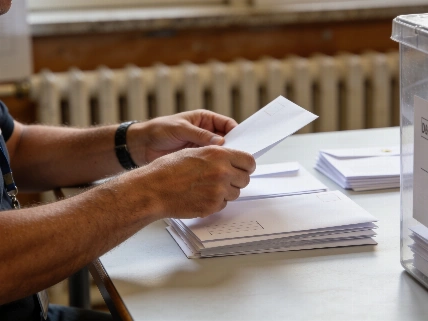
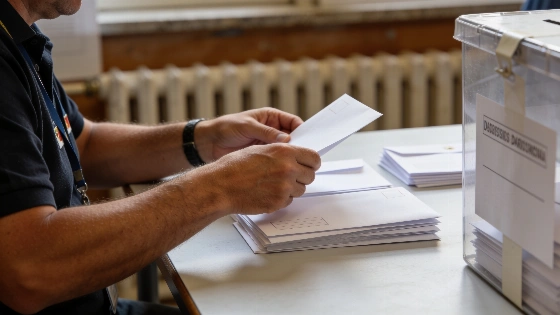
The Junta Electoral Central is sending ballots for the November 29 elections to everyone listed in the Censo Electoral de Residentes Ausentes en el Extranjero, or CERA. The register covers about 2.7 million voters living outside Spain. But receiving a ballot will not settle who can vote: the Tribunal Supremo’s suspension affects 163,020 people unless they can prove through consular offices that they descend from Spanish exiles.
On October 16, Ángel Gabilondo took the dispute to the Tribunal Constitucional. The Defensor del Pueblo filed a recurso de amparo, a constitutional appeal, and requested urgent measures so those affected could vote if they wished. The filing followed requests for protection from individuals and organisations. It asks the court to review the Tribunal Supremo’s restriction and allow affected citizens to vote in the November 29 elections. The appeal has not lifted the restriction.
The dispute stems from an October 12 ruling. The Sala de lo Contencioso-Administrativo of the Tribunal Supremo upheld a precautionary suspension first imposed on September 10. It covers new registrations affected by the Ley de Memoria Democrática, known as the Ley de Nietos, and the electoral effects of registrations already made under the law. The Sección Cuarta rejected the Abogacía del Estado’s request to overturn the measure.
The Fiscalía also backed allowing the vote. Both bodies argued that reviewing about 170,000 cases before the election was materially impossible and could prevent eligible citizens from voting. The measure concerns electoral rights, not a final withdrawal of citizenship.
At an October 8 briefing, Gabilondo argued that Spanish nationality carries the right to vote and that citizens should not be treated differently for that purpose. He also said the nationality granted to children and grandchildren of exiles through the Ley de Nietos was consistent with the spirit of the Transición. The Defensor del Pueblo can bring a recurso de amparo under Article 162 of Spain’s Constitution and Article 46 of the Organic Law of the Constitutional Court.
The Junta Electoral Central’s decision to send ballots to all CERA registrants, covered in an earlier update, is intended to reach people not affected by the ruling, according to sources cited by EFE. The mailing does not establish that every recipient can vote. Some of the more than 160,000 people who gained nationality through the Ley de Nietos may vote if they meet the Tribunal Supremo’s conditions, including consular confirmation that they descend from Spanish exiles.