CEAR reports rise in refugees with severe injuries and mental disorders. An increasing number of refugees are arriving in Spain with serious physical and psychological consequences. CEAR calls on authorities to abandon controversial measures from the new European pact and to strengthen protection for vulnerable groups.
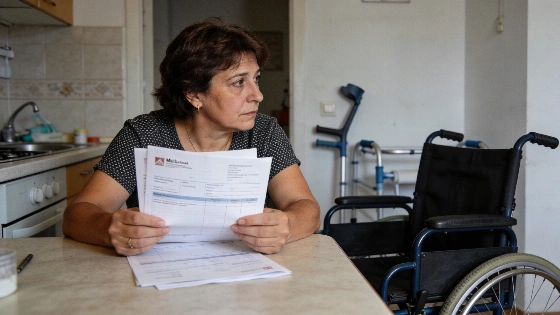
Spain has seen a significant increase in the number of refugees arriving in the country with serious physical injuries and mental disorders. This was stated by Monica Lopez, director of the Spanish Commission for Refugee Aid (CEAR), while presenting the organization’s annual report. According to her, among new applicants, there is a rising number of people with amputations, wounds, illnesses caused by the harsh conditions of their journey, as well as the effects of drinking seawater and the lack of medical assistance.
CEAR warns: the new EU Pact on Migration and Asylum, which came into force on June 12, could worsen the situation. The organization is calling on the Spanish government not to implement a number of measures that the European document allows but does not require. In particular, this concerns the creation of a national list of 'safe countries,' which, according to human rights advocates, could lead to denying protection to those genuinely in need of asylum.
The report notes that in 2025, the number of asylum applications in Spain dropped from 167,366 to 144,396, while the number of cases processed reached a record 160,663. However, the rate of international protection recognition remains among the lowest in the EU—only 11% of applicants received a positive response, while the European average is 34%. The main countries of origin are Venezuela, Mali, and Peru. Most applications are submitted in Madrid, Andalusia, and Catalonia.
The report pays special attention to the situation in Gaza: many people are unable to leave the sector to obtain visas for entry into Spain, despite having relatives in the country. CEAR emphasizes that children and families are in an especially vulnerable position, and the tightening of routes only increases the risks to their health and lives.
The organization also calls on the Spanish authorities to ensure access to quality legal assistance, information, and translation services, as well as to uphold the principle of non-refoulement. According to CEAR co-chair Mauricio Valiente, Spain’s experience with receiving Ukrainian refugees showed that the country is capable of acting efficiently and humanely, and this approach should extend to all those in need.
The report notes that the decrease in new applications is not due to an improvement in the situation, but rather to increased obstacles to leaving and a rise in forced returns. Problems with making appointments and the unresolved issue of stateless persons, primarily among the Sahrawis, remain pressing. In the context of discussions on new migration rules, CEAR insists on the need for transparent monitoring of their implementation, which should be carried out by the ombudsman.
The context of the situation highlights that Spain continues to face challenges in the fields of migration and asylum. According to UN data, in 2025 the number of forcibly displaced people worldwide reached 117.5 million. It is important to note that a decrease in migration flows does not always indicate an improvement in the situation; more often, it is connected to stricter control and movement restrictions. Issues of refugee status recognition and access to protection remain subjects of debate in other EU countries as well, as reflected in materials on russpain.com, where the diplomatic and legal aspects of working with vulnerable groups were recently analyzed, for example, in the piece on the consequences of negotiations with the Maduro regime: details on diplomatic risks and the impact on migration policy.