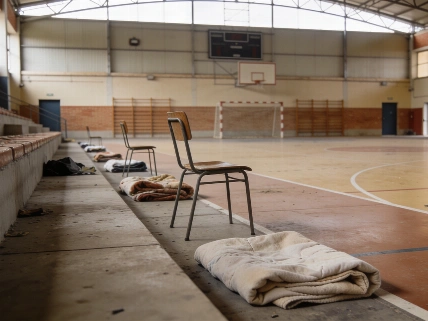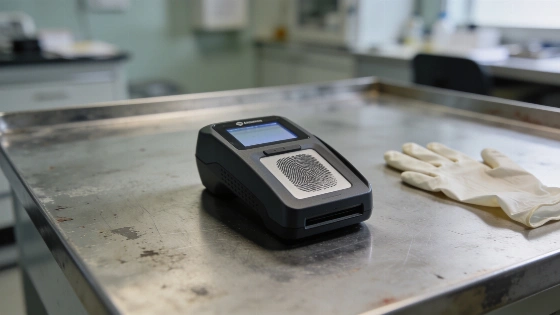
Identification work had confirmed the names of 56 of the 69 people killed in the Urda train crash, leaving 13 victims unidentified, according to figures cited by Junta spokesperson Esther Padilla. The remaining identifications required international cooperation because some passengers were foreign nationals. The update follows an earlier search report.
At 08:30 on Sunday, 1 November, 41 injured people remained in hospital, 16 of them in intensive care. Regional government sources said 31 patients were in hospitals in Castilla-La Mancha. Of those, 13 were in intensive care and 18 in conventional beds; 79 of the 110 people initially admitted in the region had been discharged. In the Community of Madrid, ten remained in hospital, including three in intensive care. The death toll remained at 69.
In Castilla-La Mancha, 18 patients were at Hospital General Universitario de Toledo: seven in intensive care and 11 in conventional beds. Hospital Mancha Centro de Alcázar de San Juan had six patients, two of them in intensive care. Another six were at Hospital de Ciudad Real, where three were in intensive care. One patient was in intensive care at Hospital General Universitario de Albacete.
Madrid’s three intensive-care patients were at three hospitals. Fundación Jiménez Díaz was one; Doce de Octubre and Ramón y Cajal were the others. Sources from the regional health department said Madrid’s health service had provided 122 treatments related to the crash.
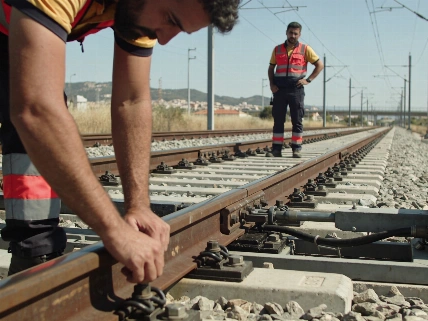
Padilla said health officials had told the regional government that all those still in hospital were expected to recover. She said the death toll remained at 69 in the figures reported, while identification work continued at the Instituto de Medicina Legal de Toledo. The regional government also said police-judicial work and the removal of the damaged trains were continuing at the crash site.
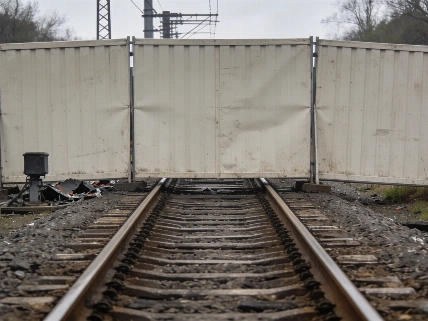
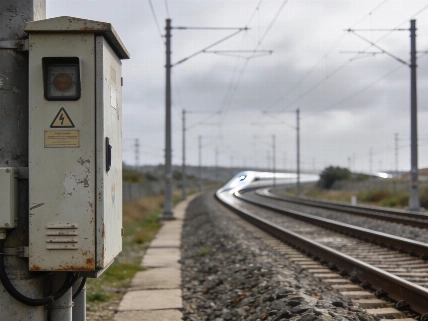
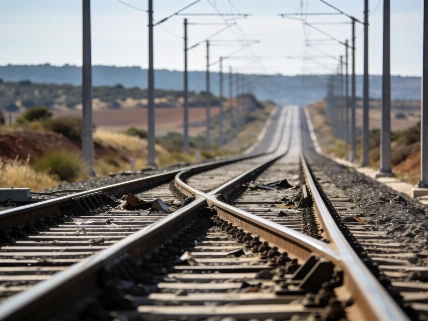
The crash on 29 October involved Renfe AVE service 2080 and Iryo service 6076 near Urda, Toledo. EFE reported that investigators were examining the response at Adif’s traffic-control centre after the LZB safety system failed, including decisions governing train movements. The inquiry had not established a final cause.
The judge responsible for the judicial investigation in Orgaz, Toledo, barred unauthorized access to the crash site and ordered that no material be removed from the affected area. The judicial proceedings and technical inquiry were continuing alongside recovery work.
The official funeral announced by Toledo Archbishop Francisco Cerro Chaves had no date set in the account. It was to wait until all victims were identified, their families had been notified and the relevant process was complete.