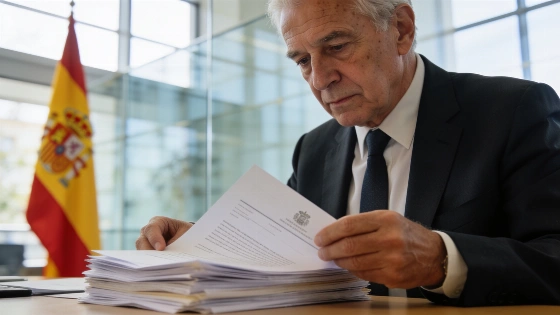
Spain enforces new rules for lobbying groups, introducing fines up to €40,000 and registration bans. The decree targets transparency and accountability in dealings with public officials. Key changes affect both lobbies and former high-ranking officials.
Spain has introduced sweeping penalties for lobbying groups, with fines reaching €40,000 and bans from official registers, as part of a new decree aimed at tightening transparency and oversight in public affairs. The Real Decreto-ley 21/2026, published in the Boletín Oficial del Estado, was approved by the Council of Ministers after legislative gridlock in Congress left the government seeking alternative routes to implement the measure.
The new regulation compels all lobbying entities to register and maintain up-to-date records of their activities, members, and contacts with public officials. Failure to comply can result in sanctions ranging from formal warnings for minor breaches to severe penalties, including removal from the register and a five-year prohibition on reapplying. The decree specifically targets serious misconduct such as exerting undue influence through favors, encouraging officials to break the law, submitting false information, or operating without registration.
Public officials and those in advisory roles are now required to report all meetings and interactions with lobbyists within one month. Meanwhile, lobbying groups must keep their registration details current and disclose any members with prior government roles. This information must be accessible on their corporate websites and reported biannually to the Council for Transparency and Good Governance.
The Asociación de Profesionales de las Relaciones Institucionales (APRI) welcomed the move, describing it as a crucial step for democratic quality and legal certainty in Spain. The association’s president, Carlos Parry, highlighted the need for clear rules to foster trust between civil society and public authorities, noting that the profession had advocated for such regulation for over 15 years.
The decree also introduces a two-year cooling-off period for former senior officials, barring them from engaging in lobbying activities related to their previous areas of responsibility. Any breach of this rule, or meetings with unregistered lobbying groups, is classified as a serious infraction unless the group is in the process of registration and the meeting is reported to the Council for Transparency and Good Governance.
These measures align Spain with standards set by the European Union, the OECD, and the Council of Europe’s GRECO group, aiming to reinforce public integrity and accountability. The government’s action fulfills a commitment made by Prime Minister Pedro Sánchez in the wake of the Cerdán case in July 2025, which intensified calls for stricter oversight of lobbying practices.
According to the decree, the mandatory register must include a comprehensive list of individuals and organizations involved in each lobbying group, detailed descriptions of their influence activities, records of members with prior public sector roles, compliance monitoring systems, and a full account of all interactions with officials. This information is intended to be transparent and regularly updated, both online and with the relevant oversight body.
For context, the government’s decision to bypass Congress and enact these rules by decree followed months of stalled negotiations. As previously reported, Spain’s move to establish a mandatory public register for lobbying groups was seen as a response to persistent demands for greater transparency in state administration. The full background on this legislative shift can be found in the article on Spain’s adoption of the mandatory lobby register.
Lobbying regulation has become a central issue in many European countries, with Spain now joining a growing list of states enforcing strict disclosure and compliance requirements. The new Spanish framework is designed to close loopholes, prevent conflicts of interest, and ensure that all influence activities are subject to public scrutiny. By imposing significant penalties and clear reporting obligations, the government aims to build a culture of openness and trust in the relationship between civil society and public institutions.