From October 2026, Spanish traffic lights will no longer show flashing amber for vehicles while pedestrians see green. The DGT aims to eliminate this risky overlap and clarify right of way at crossings.
At Spanish intersections, drivers and pedestrians have often faced a split-second standoff. A flashing amber lets cars turn with caution. At the same time, the pedestrian light glows green. Both sides think they have the right of way. That’s led to confusion and close calls, especially when cars turn across crosswalks.
This is about to change. The Dirección General de Tráfico (DGT) has pushed through a major update to the Reglamento General de Circulación. The new rule targets the exact moment when a flashing amber for vehicles lines up with a steady green for pedestrians. Real Decreto 518/2026, published in the Boletín Oficial del Estado, sets the start date: 1 October 2026. The government’s official press release says the goal is simple. No more flashing amber for cars while pedestrians see green at crossings with their own signals.
Local authorities across Spain will be required to adapt their traffic light systems to comply with the new regulation after it comes into force.
The new rules are clear. Traffic lights at pedestrian crossings can’t show a flashing amber for vehicles at the same time as a steady green for people on foot. Any amber phase for cars must come after a solid red. That means when pedestrians get the green, drivers see a clear stop or a different signal. The DGT says this is about protecting vulnerable road users. No more mixed signals at crossings. Moncloa has pointed out that the reform is meant to boost safety for pedestrians, cyclists, and users of personal mobility vehicles. The aim is to erase a source of confusion that has led to accidents and misunderstandings.
But the amber light itself is not going away. It will still show up in other situations. What’s ending is the overlap that let cars move with caution while pedestrians crossed on green. Right now, drivers are supposed to be extra careful and yield to people during a flashing amber. In practice, the double signal is too easy to get wrong, especially in busy cities. Spanish media have made it clear: the reform doesn’t scrap amber lights altogether. It just ends their controversial overlap with pedestrian green at crossings.
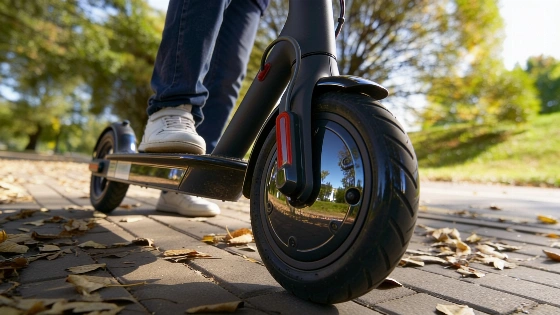
This isn’t the only change coming. The new traffic light rule is part of a bigger overhaul of Spain’s road laws. Real Decreto 518/2026 brings more updates. Kids under 15 will be banned from riding electric scooters. Helmets will be required for all scooter users. Taxi drivers and driving instructors will lose their seatbelt exemptions. Motorcyclists will have to wear gloves and closed shoes. Overtaking rules for cyclists are also getting stricter. Several independent outlets have reported that these changes show a broader shift in Spain’s road safety strategy. The focus is on protecting those most at risk.
Implementation of the new rule will not be simultaneous nationwide: while the law takes effect on October 1, 2026, the actual reprogramming of individual traffic lights will occur gradually, managed by local authorities. Some major cities, such as Barcelona, have already requested a delay in applying the changes to certain intersections, highlighting potential differences in how quickly municipalities adapt.
Regulatory changes in Spain’s transport sector often signal deeper shifts in public safety priorities. Recent reported developments affecting mobility and road use show this trend.
By ending the overlap between flashing amber and pedestrian green, the DGT is closing a loophole that has muddied the rules at crossings for years. This is more than a technical tweak. It’s a direct answer to confusion that has put people at risk. The reform’s impact will depend on how well it’s rolled out and explained to the public. But the message is clear. Spanish streets are being reset for safety and clear signals.