Spain left 2183 GWh of renewable electricity unused in 2025 due to grid bottlenecks and lack of flexibility. The loss, worth over 80 million euros, exposes a new challenge for the country’s energy transition.
In 2025, Spain hit a wall. The country produced 2183 GWh of renewable electricity—almost 1% of what Spain uses in a year. But that power never made it to homes. The problem wasn’t the weather. It was the grid. Spain’s network couldn’t take in or move the energy when it was needed. Technical limits and a lack of flexible tools left more than 80 million euros in clean power unused. APPA Renovables and industry sources say the real cost is likely much higher. Some estimates put annual losses above 1 billion euros, with over 37 TWh of green energy cut off when the whole system is considered.
Spain has invested far less in grid infrastructure than other major European markets, which experts link directly to the scale of renewable energy curtailment seen in 2025.
The old model is fading. It used to be a few big plants sending power to passive users. Not anymore. Home batteries, electric cars, and self-consumption are changing the game. People can now shift their demand, store extra power, or even send energy back to the grid when it matters most. Spanish energy policy is starting to reflect this. New rules and sector talks now stress the need for local storage and flexible demand, as APPA’s recent findings show.
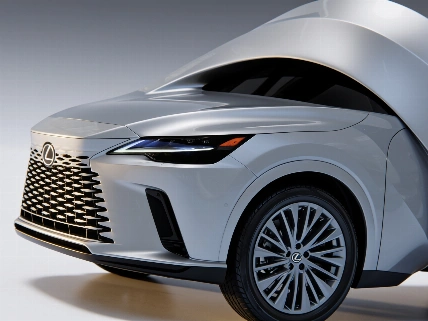
Vehicle-to-Grid (V2G) tech is at the center of this shift. It lets electric cars work as mobile batteries. They can store green energy and send it back to the grid during peaks or shortages. Powering a home from a parked car is no longer a fantasy. With bidirectional chargers and the right rules, an EV battery—often bigger than a home’s daily needs—can help balance the grid. But Spain still lacks clear rules for bidirectional charging, grid access, and payment systems. Regulatory reviews point out these gaps. Until they’re fixed, V2G can’t reach its full potential.
Spain has developed a digital map and grid modeling tools to identify where new renewable generation can be connected and where future bottlenecks or curtailments are likely, with risk zones forecasted through 2027.
Spain is ready to move. More people are buying electric cars. Makers are rolling out V2G-ready models. The energy sector has the know-how to build new flexibility services. But one thing is missing. Spain still needs a regulatory system that lets these resources join in fully and rewards them for helping the grid. Sector reports show the number of hours with negative power prices and forced renewable cutbacks went up in 2026. The need for a modern, flexible grid is urgent.
This isn’t just about new gadgets. It’s about building a grid that’s efficient and tough enough for a future full of renewables. As more clean power comes online, Spain will need ways to soak up extra energy and release it when demand spikes. In April 2025, a grid incident—reported by ENTSO-E and Reuters—showed the real problem. It wasn’t renewables. It was voltage and protection management. That put the spotlight on flexibility reserves and the need to upgrade infrastructure.
2025 taught Spain a hard lesson. The energy transition isn’t just about counting wind turbines or solar panels. It’s about using renewable power wisely. Millions of people, with EVs and smart tech, could become the backbone of a modern grid. But only if the right rules and rewards are in place. The next chapter in Spain’s energy story will be shaped not just by engineers, but by every home and driver ready to play their part.