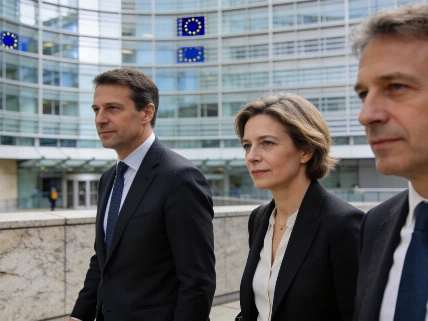
ABANCA joins European consortium to launch digital euro. ABANCA has joined the Qivalis project to issue a stable digital currency backed by the euro. The new instrument is being developed in compliance with MiCA requirements and brings together 37 banks from 15 EU countries.
The Spanish bank ABANCA has officially joined the European consortium Qivalis, which is working on creating the first stable digital currency fully backed by the euro. The project already involves 37 financial institutions from 15 EU countries, underlining the scale and importance of the initiative for the region's banking sector.
ABANCA's entry into the consortium gives the bank the opportunity to influence the development of a new financial infrastructure focused on independence and transparency of transactions in the digital environment. The stablecoin is being developed based on blockchain technology and in strict compliance with the provisions of the European Markets in Crypto-Assets Regulation (MiCA), which should ensure a high level of trust from both users and regulators.
It is expected that after obtaining all necessary approvals and completing technical preparations, the new digital currency will be launched in the second half of the year. According to project participants, the main goal is to provide EU citizens and companies with an alternative to dollar-backed stablecoins, which currently dominate the market, thereby strengthening the euro's position in the digital economy.
ABANCA emphasizes that its participation in Qivalis aligns with its innovation strategy and commitment to supporting advanced solutions in the financial sector. The bank also notes that the project is aimed at protecting Europe's financial sovereignty and strengthening the role of the single currency amid digitalization. A key element remains the collective support from leading eurozone banks and strict oversight by regulators.
In recent years, interest in digital currencies and blockchain solutions in Europe has grown significantly. The introduction of MiCA has become a crucial step toward legalizing and regulating crypto assets within the EU. As the experience of other countries shows, such initiatives can fundamentally change payment structures and increase the transparency of financial operations. In the context of new digital tools, regulatory issues and trust in issuers remain central topics—similar issues have been discussed in other areas, for example, when considering changes to housing rental regulations in Spain.
For reference: MiCA (Markets in Crypto-Assets Regulation) is a pan-European regulatory act that establishes uniform rules for the issuance and circulation of crypto assets, including stablecoins. Its implementation aims to improve transparency, reduce risks for investors, and create a competitive environment for innovation in the EU financial sector. In the coming years, a growth in similar projects is expected, which could lead to new digital tools for payments and investments within the European Union.