Rome has extended its temporary controls to match Spain’s 22 October deadline. Interior ministers now have a short window to agree on ending them.
At the Brussels summit, Giorgia Meloni joined a migration breakfast attended by about twenty EU governments pressing for tougher policies. The agreement with Spain followed talks between Spanish Prime Minister Pedro Sánchez and Italian Prime Minister Meloni in Brussels on 16 October.
Italy introduced the checks on 1 August 2026, after nearly 90,000 irregular migrants arrived in the Spanish exclave of Ceuta on 30 and 31 July, according to Euronews. Italy said the measure was needed for security reasons. Rome first imposed the controls for a month, then extended them three times by 15 days. Spain responded with selective checks on passengers arriving from Italy, arguing that Italy’s measures were unjustified.
Interior ministers from both countries are to work in the coming days towards ending the measures. On 16 October, Italy added seven days to its checks to bring their expiry into line with Spain’s measures, which were due to end on 22 October. The aligned dates give ministers a window to agree on removing the checks. The extension does not end them.
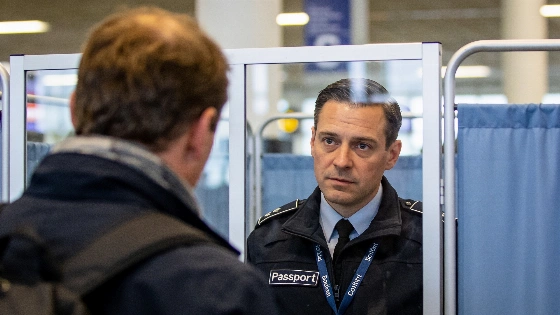
There is no shared land border between Spain and Italy, so the checks apply to passengers travelling between them through airports and seaports. European Commission notifications list both countries’ measures as applying to internal air and sea borders. Italy’s interior minister said almost 500,000 people were checked during the first month. On the affected routes, the measures interrupt the usual Schengen arrangement for free movement.
Rome has also said the two governments will assess alternative forms of cooperation, without clarifying whether another kind of control could follow. The European Commission has urged countries with recurring temporary checks, including Germany and Austria, to strengthen joint police work for non-systematic checks. It made a similar proposal to France. The Commission has also pointed to information-sharing and urged wider use of technology such as mobile biometric identification systems.
The planned removal will leave the wider disagreement between Sánchez and Meloni over migration unresolved. At the summit, a group of member states is pushing for a tougher EU approach. RUSSPAIN has separately covered the government’s Catalonia amnesty policy in an earlier report.
EU leaders have reserved migration for their Friday lunch. The final text could be reopened to include calls for a harder line. Some governments are already negotiating to open deportation centres in third countries as soon as possible. Spain opposes the proposal.