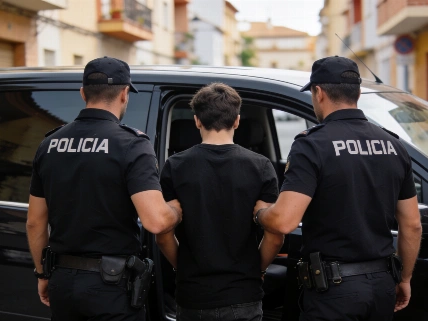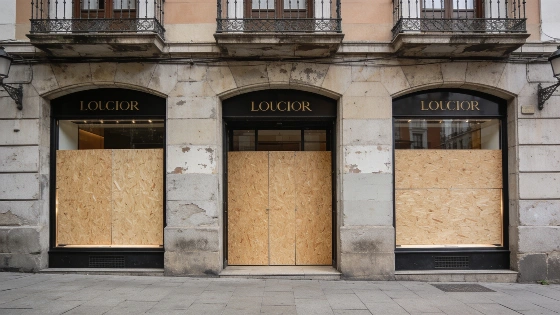
A previous episode of unrest in Barcelona ended with 128 arrests, 15 officers injured and more than 20 shops vandalised, according to the supplied account. Reuters separately reported that around 500 people took part in unrest on 24 October and that Catalan police recorded 132 arrests, including 83 minors and 49 adults. ABC reported that about 20 businesses were looted. That record informed the security response to subsequent Blocus calls across Spain.
Police were deployed in Madrid, Barcelona, Valencia and San Sebastián. Many central shops closed or protected their windows, while authorities advised residents to stay at home that afternoon. In Barcelona, Mossos d'Esquadra officers patrolled areas including Passeig de Gràcia and identified young people, sometimes searching them for objects that could be used in looting. Ahead of the calls, more than 300 Mossos officers were assigned to the operation, with preventive checks on public transport and tighter surveillance of commercial areas.
The Mossos set up identification points from 3pm and activated a level-four security operation, described as the highest level for public-space mobilisations. They had detected three Barcelona meeting calls: one at Plaça de Catalunya, another at Arc de Triomf and a later one near La Pedrera. Police listed the first two calls for 5pm and a later gathering for 8pm on Passeig de Gràcia. Social media posts also mentioned Les Glòries and Plaça de Urquinaona, although the calls had no fixed meeting point or confirmed time.
Authorities linked the gatherings to Blocus, a movement that emerged in France and uses social media to call young people, including minors, to purported student protests. Police said the concern was that some gatherings could lead to disorder and looting. Reuters reported that investigators believed online channels and calls linked to student protests had been used as cover for looting and violence. Mossos sources described the phenomenon as new, saying it had no ideology and was not organised. The force had detected Blocus on 20 October, several days before the Barcelona unrest.
In Madrid, the planned response included 200 National Police riot officers in the centre and 1,700 municipal police across the city and public transport. Authorities maintained the deployment despite reports that an anonymous call linked to the earlier Barcelona unrest had been cancelled. That disturbance involved around 50 young people, according to the account.
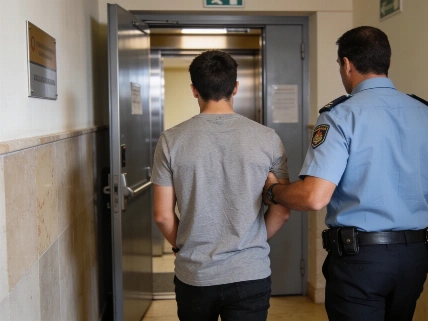
On 30 October, Spanish authorities arrested the alleged founder and promoter of Blocus in Spain in Picanya, in Valencia province. Reuters reported that the Interior Ministry said six other people linked to the group had also been arrested. ABC reported ten arrests across Barcelona, Valencia, Tenerife, Bilbao and Málaga. A court in Torrent ordered provisional detention without bail for a 20-year-old arrested in Picanya and described as Blocus España's alleged founder and promoter. He had presented himself as the movement's founder in Spain. The arrest was also covered in an earlier report.