Seven ETA Prisoners Receive Reduced Sentences After French Prison Time Credited. Two convicted ETA members will be released earlier following the crediting of time served in French prisons, enabled by the 2024 reform. The measure has already affected seven people and could impact dozens more.
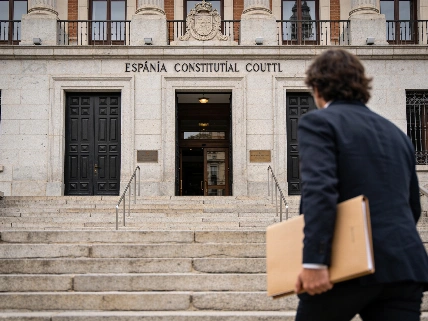
In Spain, the release of prisoners linked to ETA has accelerated: the National Court has agreed to count the years spent in French prisons towards the sentences of two convicts—Luis Enrique Gárate Galarza and Gregorio Vicario Setién. The decision is based on a reform approved in 2024, which allows for time served abroad for similar offenses to be taken into account. According to EL PAÍS, for Gárate Galarza this means a 12-year reduction in his sentence, and for Vicario Setién—15 years.
Gárate Galarza, known by the nickname Zorro, was sentenced in Spain to 76 years for involvement in kidnapping and murder, and in France received 15 years for possession of weapons and proceeds from extortion. He was held in France from 2004 to 2016, after which he was extradited to Spain. Vicario Setién, arrested in France in 2001 following a major theft of explosives, spent 15 years there and was handed over to Spanish authorities in 2016. His total sentence in Spain exceeded 265 years for kidnappings and terrorist attacks, but the maximum period of imprisonment is limited by law.
The reform and its consequences
Since October 2024, when Congress unanimously passed the new provision, inmates can request that time served in foreign prisons for the same offenses be counted toward their sentences. In recent weeks, four other ETA members have received similar rulings, and in total, seven people have already benefited from sentence reductions under the new reform. According to prosecutors, the measure could affect at least 15 other prisoners who have already filed the relevant petitions.
The exact release date for Gárate and Vicario has not yet been determined: the Sentencing Enforcement Service of the National Court must now calculate the final term, taking into account not only the years already served, but also possible additional reductions for work and education. This system was in effect prior to the 1995 Penal Code reform and applies to crimes committed before that time.
Reaction and statistics
The reform sparked discussion among victims of terrorism and public organizations. The Association of Victims of Terrorism (AVT) stated that the new measure could affect 44 ETA inmates, while the Sare platform estimated the potential beneficiaries at 52 people. In addition, according to their data, 15 former members of the organization who are already free could have been released earlier if the reform had been passed sooner.
As of the end of April 2026, there were 113 convicts linked to ETA remaining in Spanish prisons: 108 of them were in Basque Country penitentiaries, three in Pamplona, and another two in France. The procedure for crediting foreign sentences is carried out at the request of the inmate and requires approval from the prosecutor's office and the court that issued the last sentence.
Other cases and context
Before Gárate and Vicario, similar decisions were made regarding Jon Mirena San Pedro, Balbino Sáenz Olarra, José María Dorronsoro, Julen Atxurra Egurrola, and Aitzol Gogorza. In addition, former Grapo leader Manuel Pérez Martínez also took advantage of the new regulation. It is important to note that not all attempts at early release pass without controversy: for example, at the end of last year, Vicario Setién received partial freedom by decision of the Basque Government, but the court later overturned this decision.
The issues of recognizing foreign sentences and release under the new rules are causing wide public debate, especially against the backdrop of other high-profile cases related to changes in criminal law. For example, in Granada, an attack on a bar owner over the inscription on his T-shirt recently drew attention, sparking protests and discussions about safety in the region — you can learn more about this case in the article about the attack in central Granada.