Serving as president of a homeowners’ association is mandatory in Spain, but owners over 70 have the right to seek a legal exemption if age, illness, or personal circumstances make the role unmanageable. The law requires a formal process and supporting documentation.
When a property owner in Spain is appointed president of their building’s community association, the law makes the role compulsory—regardless of age. Yet for those over 70, or anyone facing serious health or personal challenges, there is a clear legal route to step aside.
Under Article 13.2 of the Ley de Propiedad Horizontal, the owner selected as president—whether by rotation, election, or lottery—must accept the position. However, the law allows the newly appointed president to petition a judge for relief within one month of their appointment, provided they can demonstrate valid reasons for being unable to fulfill the duties.
Grounds for Exemption
There is no automatic age threshold that exempts an owner from serving. Still, advanced age, typically over 70, is recognized as a legitimate factor, especially when combined with other circumstances such as chronic illness, reduced mobility, ongoing medical treatments, or personal situations that make it impossible to manage community affairs effectively.
Other acceptable grounds include certified illness, the need to care for dependent relatives, living far from the property, or work schedules that directly conflict with the responsibilities of the role. Each case is assessed individually, and the burden of proof lies with the owner seeking exemption.
How to Request a Replacement
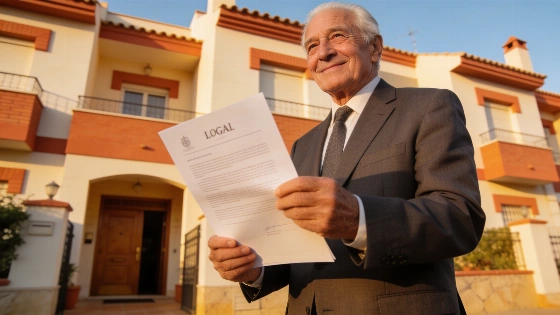
Simply refusing the position verbally is not enough. The law requires a formal application to the courts within a month of being named president. The owner must present clear reasons and, ideally, supporting documents—such as medical reports for health issues or official residency certificates for those living elsewhere.
If the judge finds the request justified, they will appoint a substitute president until a new election can be held. The process is designed to be swift: the law refers to Article 17.7, which calls for a decision based on fairness within 20 days of the petition.
Financial Obligations and Compensation
All property owners are required to contribute to the building’s general expenses according to their share, as set out in the Ley de Propiedad Horizontal. This includes essential maintenance, services, and shared responsibilities. When it comes to special assessments (derramas), the law distinguishes between necessary works—such as repairs for safety or accessibility, which are mandatory for all—and optional improvements, where dissenting owners are not obliged to pay if costs exceed three months of ordinary expenses.
Should an owner later wish to benefit from an improvement they initially opposed, they must pay their share of the costs, adjusted for legal interest. This often applies to non-essential upgrades or new communal facilities.
As for compensation, Spanish law does not provide a salary for community presidents. In Catalonia, the Civil Code explicitly states that these roles are unpaid unless filled by someone outside the community, though reimbursement for expenses incurred is permitted.
For older property owners or those facing genuine obstacles, the law offers a structured, fair process to step down from a demanding role—provided the right steps are followed and the reasons are well documented.