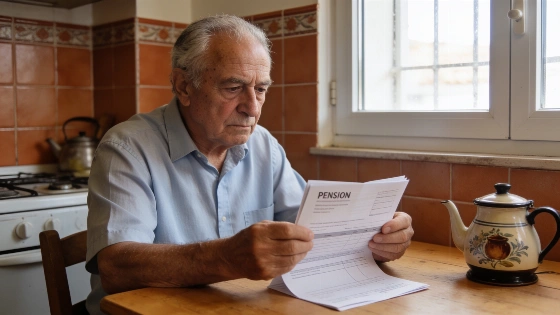
Spain now pays out over 10.5 million pensions each month. Miners get more than twice the national average, while new rules and later retirements reshape the system.
Miners in Spain are now taking home pensions that dwarf the national average. Retired workers from the Minería del Carbón sector receive 3,005.7 euros a month. That’s more than double what most pensioners get, according to the Ministry of Inclusion, Social Security and Migration.
The Social Security system covers 10,547,417 pensions for over 9.5 million people. Most are retirement pensions—almost 6.8 million. The rest go to widowhood, permanent disability, orphanhood, and family support. The average pension across all types is 1,374.6 euros. That’s up 4.6% from last year. But these numbers hide big differences between groups, as government data shows.
In September 2026, Spain's monthly spending on contributory pensions reached a historic high of 14.5 billion euros, marking a 6.3% increase over the previous year.
Most salaried workers fall under the Régimen General. They get an average of 1,734.7 euros per month. Spain’s self-employed, covered by the Régimen Especial de Trabajadores Autónomos, receive just 1,062.8 euros. Maritime workers in the Régimen del Mar get 1,741.2 euros. Miners top them all. Their 3,005.7 euro average stands out and shows the system’s deep divides.
New retirees who joined in August received an average of 1,711.4 euros. The average widowhood pension in July was 976.3 euros. These figures reflect Spain’s varied workforce and the impact of old sector deals and contribution rules.
Retirement patterns are changing fast. By August 2026, 247,161 new retirement pensions had been granted. Of these, 11.6% were voluntary delayed retirements. That’s a jump of 6.8 percentage points since 2019. The reason is simple. In 2022, new incentives started rewarding people who put off retirement. The legal rules for early retirement also changed. Independent analysts say the current system lets people choose between a pension supplement, a lump-sum payment, or a mix if they delay retirement.
The statutory retirement age in Spain is gradually increasing: in 2026, it stands at 66 years and 10 months for those without sufficient contribution history, while those with a long career can still retire at 65. Further increases to 67 are planned as part of ongoing reforms.
The average retirement age in Spain has risen to 65.4 years. In 2019, it was 64.4. Nearly 69% of new retirees now leave work at the standard legal age. This shift reflects both new policies and changing views on work and retirement. Processing times have also improved. In August, the average claim took just 8.53 days to process. That’s well below the 90-day legal limit.
Spain’s pension system faces growing demographic and financial strain. The country pays out more than 10.5 million pensions every month. These numbers show why reforms matter and why balancing fairness with sustainability is tough. As reported earlier, changes in one sector can ripple through the whole system, whether in pensions or other public policies.
The gap between miners’ pensions and those of other groups is clear. Spain’s retirement system is far from uniform. Some groups, like miners, benefit from old sector perks. Others, especially the self-employed, get less. More people are delaying retirement, adapting to new incentives and realities. But the challenge remains: how to make pensions both fair and adequate for everyone. For now, the numbers tell the story. Spain’s pension system is changing, but the divide between top earners and the rest is still wide.