Vox proposes €112bn cut to public spending
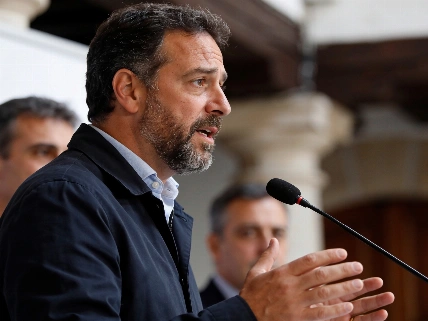
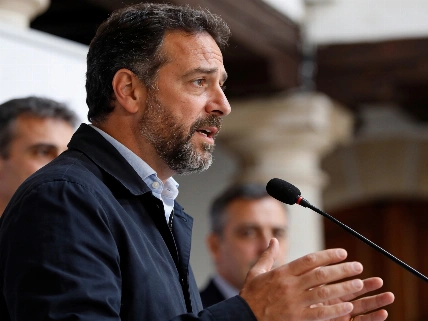
Vox economic spokesman José María Figaredo says the party would review €224bn in subsidies and transfers to Spain’s regions. A 50% reduction would save €112bn, though he gave no timetable.
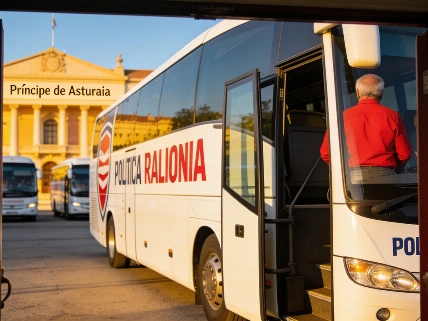
A video posted by PSOE Mula shows mostly older passengers aboard coaches sent to Pedro Sánchez’s Murcia rally. The party says 10,000 attended; its Congress candidate puts the coach count at 52, disputing a regional leader’s figure.
Unai Sordo says workers who rely on public services have most at stake in Spain’s 29 November general election. He urges a high turnout and backs a renewed progressive coalition, while setting out union demands on housing and jobs.
The High Court of Justice of Cantabria overturned Carlos’s pension award after finding only 244 qualifying contribution days in the relevant period. He had more than 21 years of contributions overall.
During the campaign for the 29 November election, Frente Amplio made housing a central issue. Its platform also proposed a tax on the super-rich and a €10m cap on inheritances.
Yolanda Díaz says the ILO faces an unprecedented financial crisis after withdrawing her bid to lead it. She alleges more than 200 staff have been dismissed, with 500 further cuts forecast.
Vox has not said whether it would uprate pensions with inflation or stick with its proposed move towards a mixed system. Its June 2025 programme calls for shifting from pay-as-you-go funding towards capitalisation.
A total of 63,968 people in Melilla can vote on 29 November, but none of the five parties standing is local. The city will elect one member of Congress and two senators.
The PP’s tax proposals hinge on the public accounts it inherits, Alberto Nadal says. They include doubling income-tax deductions for children and keeping basic-food VAT at zero while inflation persists.
At a rally in Palma de Mallorca, Alberto Núñez Feijóo pledged to restore control of immigration and borders. He also promised a 60% VAT cut for young first-time buyers and a law allowing evictions within 48 hours.
FEDMA has proposed removing the four-child cap on Spain’s gender-gap pension supplement. Its eight-point plan also seeks up to 270 protected contribution days per child and a separate retirement benefit for each birth or adoption.
From 1 January 2027, the worker’s share of Spain’s MEI pension contribution will rise from 0.15% to 0.17% of the contribution base. On a €1,500 base, that means 30 cents more a month.
October's inflation data put the average CPI figure used in the calculation at 3.47%, while the projected pension rise is around 4.5%. The final rate depends on November's CPI, due later this month.
Sixteen police and Guardia Civil representatives were removed by the UPR after a sit-in at the Interior Ministry. They began protesting at about 18:00, demanding risk-profession status and better retirement terms.
An estimated 25,000 people joined a Madrid march for public pensions. The rally came a month before the 29 November election, amid accusations that the right could open the way to partial privatisation.
Saturday-night unrest in Barcelona left more than 120 people injured, including at least 14 police officers. Alberto Núñez Feijóo blamed Pedro Sánchez and pledged one million homes and tax cuts.
Alberto Núñez Feijóo says he could govern with Vox if voters leave the PP short of a majority. He also pledges annual pension rises in line with inflation and wants to revisit abortion rules for under-16s.
Santiago Abascal urged voters in Ponferrada to distrust election polls and turn out on 29 November. He rejected claims Vox would privatise pensions, saying payments would continue whatever the cost.
At a rally in Ponferrada, Santiago Abascal said any sacrifices under a government involving Vox would fall on political parties and unions, along with groups receiving subsidies. He also said pensions would be paid.
The government plans to expand temporary-incapacity protection and several pension and family benefits before the 29 November election. It is also preparing an increase of about 5% in the minimum wage, while a CPI-linked pension rise is planned for after the vote.
At his first campaign rally since being named the PSOE’s candidate for 29 November, Sánchez praised his wife as about 3,000 people applauded.
Electoral authorities must receive coalition filings by midnight on Friday, 16 October. Podemos and Frente Amplio remain apart nationally despite agreeing to join forces in the Canary Islands.
Alberto Núñez Feijóo says a PP government would protect the public pension system and raise payments in line with the CPI. He made the pledge during the campaign for Spain’s November 29 general election.
Ester Muñoz says Spain’s pension system risks collapse without reform. Alberto Núñez Feijóo pledges to protect it and raise benefits in line with inflation, but has yet to explain how he would fund that guarantee.
Spain’s government is racing to pass major social measures before the election. With control of the Boletín Oficial del Estado, Sánchez’s team is pursuing a major minimum-wage increase and weighing an early announcement on pensions, putting rivals on the spot.
Spain’s snap election on November 29 has cast doubt on pension increases for 2027. With no new budget and a caretaker government likely, retirees face legal and political hurdles over how their payments will be updated.
Spain’s pensioners can count on annual increases matching inflation, no matter who governs. The law locks in these adjustments, while any extra boosts above inflation still depend on political will and budget negotiations.
Spain has overhauled its pension rules, allowing retirees to work part-time or as self-employed workers while continuing to collect their pension. The changes offer more flexibility and new incentives.
A select group of Spanish pensioners now receive monthly payments exceeding 3000 euros, with the Minería del Carbón sector leading the way. September brought a record pension payout, highlighting stark differences across professions.
Spanish lawmakers are weighing a proposal that could reshape retirement for thousands: scrapping pension reductions for people with forty years of contributions. The plan puts the system’s costs and sustainability at the center of the debate.
Spain now pays out over 10.5 million pensions each month. Miners receive more than twice the national average, while new rules and later retirements reshape the system.
A Tarragona judge has paused a pension case to ask the Court of Justice of the European Union whether Spain’s rules unfairly penalize women. The dispute centers on a widow forced to choose between her retirement and survivor’s pension under a law affecting mostly women who divorced or separated before 2008.
Spanish pensioners could see their payments rise by more than 3 percent in 2027. With inflation running hot, the final increase will depend on price trends through November. Here’s what the latest numbers mean for retirees.
Basque retirees receive the largest pensions in Spain, topping the national average by more than 300 euros. But growth in Euskadi is now among the slowest, raising questions as the number of pensioners continues to rise.
Spanish employers and high earners are paying more into the pension system as a series of reforms take effect. The OECD describes Spain’s new payroll surcharges and solidarity quotas as part of a wider European effort to shore up pension finances.