Ester Muñoz says Spain’s pension system risks collapse without reform. Alberto Núñez Feijóo promises to protect it and raise benefits with inflation, but has not explained how he would pay for that guarantee.
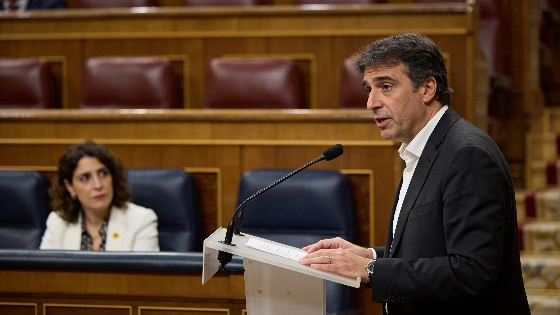
On 14 October, parliamentary spokesperson Ester Muñoz told the Quorvm podcast and YouTube channel that Spain’s pension system faces mounting pressure from demographic change and a growing number of retirees. She urged the PP to take difficult decisions and warned that the system risks collapse without reform.
That warning clashes with party leader Alberto Núñez Feijóo’s pledge to protect public pensions. On 13 October, he told esRadio he would not question the system and would raise pensions in line with the consumer price index, or CPI. He described protecting younger Spaniards’ pensions as a priority, alongside preserving future payments and inflation-linked increases for today’s pensioners.
He has yet to explain how the guarantee would work.
Feijóo named no funding source. He did not say whether he would change contribution rules. Retirement age and the benefit formula were left unaddressed.
Muñoz argues that the current model no longer fits the population it must support. She says there are too few workers to cover the people drawing pensions. The baby-boom generation is now entering retirement with high pensions, while many current jobs are precarious and low-paid. Muñoz called for reform that confronts those pressures but offered no specific package of measures. Her warning came less than two months before Spain’s general election, scheduled for 29 November.
Feijóo repeated his pledge in statements to esRadio.es and at a pre-election event on Tuesday. He said a government led by him would protect current and future pensioners, but did not identify measures to keep the system viable.
His promise to raise pensions with the CPI would continue an existing legal mechanism. Royal Decree-Law 3/2026, dated 3 February, set a 2.7% increase for state pensions. Minimum and non-contributory pensions received higher increases of about 7%. Some minimum-income benefits rose 11.4%. Congress ratified the decree and referred it for consideration as a bill. The deadline for amendments was extended to 7 October.
The PP is also campaigning against Pedro Sánchez on housing, where the parties’ competing approaches have featured in the election contest.
Vox has taken a more radical line. A few days earlier, its economic lead and secretary general in Congress, José María Figaredo, called the public system a zombie. He argued for a mixed model that would pair a public component with individual capitalisation accounts.
Government ministers reject claims that the system is unsustainable. Economy Minister Carlos Cuerpo said pensions could rise with the CPI and urged the PP to clarify its position. On 14 October, Finance Minister Arcadi España said the government would apply the existing annual revaluation rules and urged pensioners to remain calm. He said the average retirement pension had risen by 43% under the current government, while the Social Security reserve fund had been restored to €15 billion.
The CPI formula was introduced under Law 20/2021 after an agreement with social partners. It is based on average year-on-year inflation from December of the previous year through November.
The PSOE accused Feijóo of presenting an annual CPI increase as a campaign pledge even though, the party says, the law already requires it. It also linked Muñoz’s warning to the risk of privatisation and sacrifices for pensioners, and recalled that the PP had opposed pension increases in the past. Those are political allegations: the PSOE has presented no evidence that the PP has formally decided to privatise the system. The party also cited Feijóo’s failure to support the relevant legal measure in Congress.