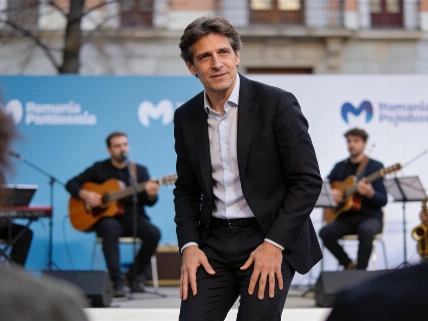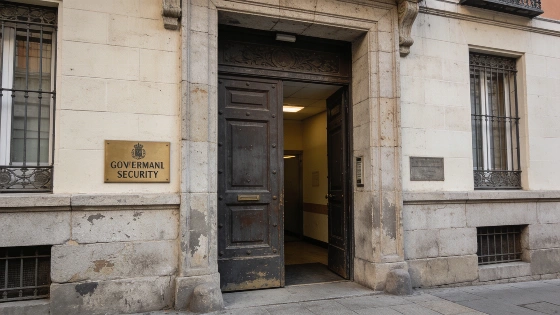
The 16 representatives said they had been denied access to water and food overnight before the Police Prevention and Reaction Unit (UPR) removed them from the Interior Ministry on 28 October. They began the sit-in at about 18:00 the previous day in the ministry’s State Secretariat for Security in Madrid, demanding recognition of both forces as professions at risk and a guarantee of what they called a decent retirement. El País reported that representatives from nine organisations took part, including JUPOL, SUP, UFP, AUGC, Jucil, ASESGC, AEGC, IGC and the Association of Professional Cabo members.
The protest followed months of talks with the State Secretariat for Security. The organisations said they had been told the Government would not recognise police officers and Civil Guard members as professions at risk. They called the negotiations a failure and said the election call had halted the process. Their demands included earlier retirement and pension terms that account for the physical and operational risks of the work.
Interior offered a narrower explanation: the general election prevents further progress for now. The ministry said it remains willing to resume dialogue in the next legislature. It also said work had been done to advance recognition of the profession’s risks, and that the arduous, dangerous and unhealthy nature of the work is already recognised in the pay framework. Aina Calvo, the Secretary of State for Security, met the representatives before the sit-in began, El Mundo reported.
The technical working group opened on 29 April under the State Secretary for Security. Six meetings followed, with discussions covering possible retirement improvements under both the general system and the civil-service pension scheme. The election call interrupted a process examining more than one route to change. The participating organisations linked the interruption to the general election scheduled for 29 November.
The sit-in was backed by the Sindicato Unificado de la Policía (SUP). Justicia Policías (JUPOL) and Unión Federal de Policía (UFP) also took part. Civil Guard associations included Asociación Unificada de Guardias Civiles (AUGC) and Asociación Profesional Justicia Guardia Civil (Jucil), alongside Asociación Española de Guardias Civiles (AEGC). Asociación de la Escala de Suboficiales de la Guardia Civil (ASES-GC, IGC) and Unión de Cabos were also represented.
JUPOL criticised the removal and said the groups were seeking equal retirement conditions and risk recognition with regional and local police forces. They cited the Mossos d’Esquadra and Ertzaintza as forces with retirement conditions they consider more favourable. The wider election backdrop is reflected in RUSSPAIN coverage of left-wing coalition talks, while Interior’s stated position in this dispute is that negotiations cannot advance until the next legislature.
The organisations had said they would remain inside the ministry until a concrete solution was found. They described the sit-in as peaceful and indefinite, and said almost a year of meetings and promises had produced no concrete commitments. The UPR removed the 16 representatives on 28 October, ending the occupation without resolving the retirement and professional-risk dispute.