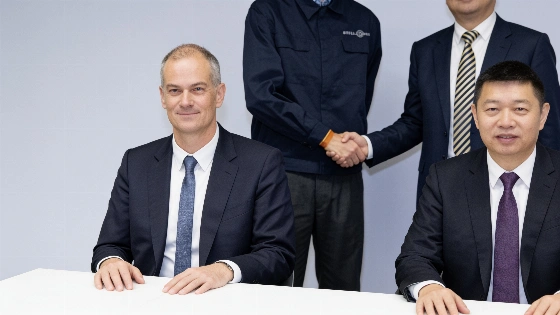
A major battery gigafactory backed by Stellantis and CATL is set to transform Zaragoza, with €4.1 billion invested and 4,000 new jobs promised. The plant aims to produce one million batteries annually by 2028, boosting Spain's role in electric mobility.
Construction is underway on one of Spain's most ambitious industrial projects: a €4.1 billion battery gigafactory in Zaragoza, the result of a partnership between Stellantis and CATL. The plant, operating under the joint venture Contemporary Star Energy (CES), is designed to produce up to one million batteries per year for electric vehicles, with full-scale operations targeted for 2028.
Located on an 89-hectare site adjacent to Stellantis' existing assembly facility, the gigafactory is expected to reach an initial production capacity of 50 GWh, expandable to 60 GWh. This scale positions it among the largest battery plants in Europe and marks the single biggest Chinese industrial investment in Spain to date. According to project plans, 94% of the funding comes from CES, with an additional €300 million in government support through the Perte for Electric and Connected Vehicles program.
Local Impact and Workforce
The economic significance for Zaragoza and the wider Aragón region is substantial. The factory is projected to create 4,000 direct jobs, with the majority intended for local residents. During the construction phase, around 800 Chinese specialists will be involved, but CES has emphasized that the operational workforce will be drawn primarily from the region. Aragón's president, Jorge Azcón, highlighted at the groundbreaking ceremony that by 2027, the plant could contribute over 5% of the region's GDP.
Initial concerns surfaced regarding the origin of the workforce, with speculation that most jobs would go to Chinese workers. However, project leaders have publicly refuted these claims, reaffirming their commitment to local employment. The factory's focus on LFP (lithium iron phosphate) battery technology is seen as a strategic move to make electric vehicles more affordable and accessible in Spain and across Europe.
Boost for Spanish Manufacturing
The gigafactory is expected to provide a significant boost to Stellantis' Figueruelas plant, which will soon begin assembling Leapmotor electric vehicles. The first model, the Leapmotor B10 SUV, is scheduled to roll off the line in the second half of 2026, followed by the B05 and other models such as the A10 and A05. This integration of battery production and vehicle assembly is anticipated to streamline supply chains and reduce costs for Stellantis and its partner brands.
Stellantis' collaboration with CATL not only secures a stable battery supply but also opens the door for other group brands—including Peugeot, Citroën, Opel, Jeep, Alfa Romeo, Fiat, Lancia, and Maserati—to expand their electric vehicle offerings. The group currently boasts a portfolio of 60 electric models, and the new plant is expected to accelerate the transition to electrification across its European operations.
Context and Outlook
The Zaragoza gigafactory arrives at a pivotal moment for the European automotive industry, as manufacturers race to localize battery production and reduce reliance on Asian imports. The partnership between Stellantis and CATL reflects a broader trend of cross-border alliances aimed at securing technological expertise and supply chain resilience. As noted in a recent analysis of battery longevity in electric vehicles, advances in battery technology are rapidly reshaping the market and consumer expectations.
With operations set to begin by late 2026 and full capacity expected by 2028, the Zaragoza plant is poised to become a cornerstone of Spain's electric mobility strategy. Its success could serve as a model for future industrial collaborations between Europe and China, while offering a tangible boost to regional employment and technological innovation.