Supervivientes All Stars 3 faces a sudden shift as Mediaset España quietly relocates contestants following Garífuna protests in Cayos Cochinos. The network adopts a cautious approach, withholding details and prioritizing safety over spectacle.
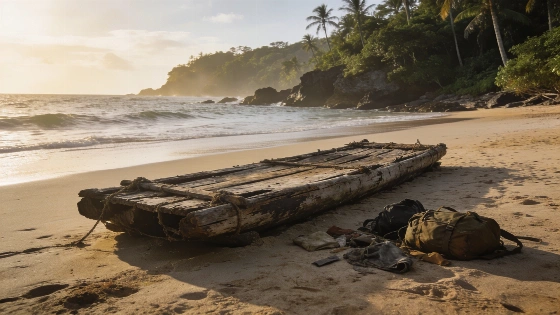
Mediaset España has quickly changed plans for Supervivientes All Stars 3, moving contestants to a new location in Honduras after Garífuna protests disrupted the usual routine in Cayos Cochinos. The network, usually open about its production details, has gone quiet, sharing only a brief outline of tonight’s episode.
Instead of the usual press releases full of information about challenges and rewards, Mediaset’s latest update is unusually vague. What is clear: teams Luna and Sol will face off in a new location-based game, and the winner will get to pick the best spot for survival in the days ahead. This reward, always important, now matters even more as the show adapts to a tense situation.
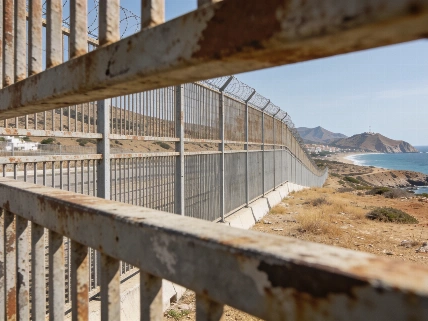
In mid-September 2026, police and military presence increased in the Cayos Cochinos area, with local and human rights sources reporting attempts to evict around 40 Garífuna protesters from a camp on Cayo Menor.
The Garífuna protests and encampments in Cayos Cochinos are the reason for the sudden change. According to El Confidencial, filming has continued, but the production has had to adjust. Security concerns have led to changes in outdoor segments and forced the team to drop or alter some parts of the show at the last minute.
One example: the Tritón challenge, which had been announced and prepared for the last gala, was canceled without warning. Sources cited by El Confidencial mention both a packed schedule at La Palapa and the tense situation outside as reasons. The decision was made to avoid any risk that an outdoor competition could be seen as provocative or out of touch with local events.
Tonight’s episode will also include a new leader game, with immunity and the power to nominate another contestant on the line. But the details of these challenges are being kept secret, a clear break from the show’s usual transparency. This deliberate lack of information is a direct response to the unpredictable situation, as Mediaset tries to balance entertainment with responsibility.
The Garífuna community has accused the production of filming during the sea turtle nesting season and of failing to properly consult with local communities, a point echoed by several Spanish media outlets and human rights organizations. The conflict is also linked to previous rulings by the Inter-American Court of Human Rights in favor of the Garífuna, which emphasize land and territorial rights as well as the state's obligation to conduct prior consultations.
By putting safety first and keeping a low profile, Mediaset is showing a rare willingness to adapt its reality show on the fly. The network’s cautious response reflects the challenges of filming in a region where local tensions can disrupt even the most carefully planned broadcasts. For viewers, the result is a show that feels less predictable and more aware of its surroundings—a reminder that reality TV sometimes runs up against real-world events that can’t be ignored.