Egipto and Irán face off in Seattle with a place in the World Cup knockouts at stake. The match, marked by protests over FIFA's 'Pride Match' label, could reshape Group G's final standings.
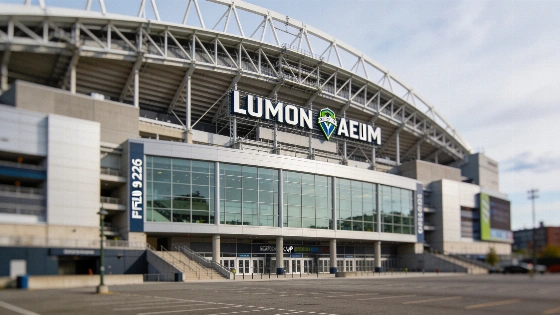
Egipto and Irán met in Seattle for a World Cup 2026 group stage match that quickly became one of the most charged fixtures of the tournament. With Egipto leading Group G on four points and Irán trailing with two, the outcome would determine not only the group winner but also which team advances to the knockout rounds. The stakes were heightened by FIFA's decision to designate the game as the 'Pride Match', a move that drew formal protests from both national teams and added a layer of tension to an already pivotal encounter.
From the opening whistle, the match delivered high drama. Egipto, already assured of a place in the next round, fielded a strong lineup led by Mohamed Salah. Irán, needing a win to guarantee progression, responded with aggressive play and tactical adjustments. Both sides created clear scoring chances, and the intensity on the pitch reflected the significance of the occasion. Goals from each team kept the contest finely balanced, with neither side able to establish clear dominance as the minutes ticked by.
The result of this match was not the only factor shaping Group G's fate. The simultaneous fixture between Bélgica and Nueva Zelanda meant that the final standings could shift dramatically depending on results elsewhere. For both Egipto and Irán, the match represented a historic opportunity: neither nation had previously advanced beyond the group stage at a World Cup. The pressure was evident in every challenge and decision, as players and coaches sought to seize a rare chance at making national football history.
Beyond the immediate sporting implications, the controversy surrounding FIFA's 'Pride Match' designation underscored broader debates within international football. Both teams' protests highlighted ongoing tensions between global governing bodies and national federations over cultural and political issues. This backdrop contributed to the charged atmosphere in Seattle, where fans and officials alike were acutely aware of the match's symbolic weight.
Confirmed lineups and key incidents were closely followed by supporters, with every substitution and tactical shift scrutinized for its potential impact. The match's outcome, combined with the result from the Bélgica–Nueva Zelanda game, would ultimately decide the group hierarchy and set the stage for the round of sixteen. For context, high-stakes group matches have often produced unexpected turns, as seen in other recent tournaments. For example, a crucial Group E clash between Ecuador and Curazao earlier in the competition also hinged on last-minute goals and tactical gambits, illustrating how unpredictable the World Cup group stage can be.
As the final whistle approached, the sense of anticipation in Seattle was palpable. The match not only determined immediate qualification but also marked a milestone for both Egipto and Irán, who were seeking to break new ground on the world stage. The broader context of the World Cup 2026, with its expanded format and increased global attention, made every moment count for players, coaches, and fans alike. The outcome of this fixture will be remembered as a defining episode in the tournament's group phase, with implications that extend beyond the pitch.