Catalan Authorities Demand Tour de France Route Change Due to African Swine Fever Outbreak. The Catalan government is insisting on a change to the Tour de France route to avoid passing through the contaminated Collserola area. These measures are aimed at combating African swine fever and preventing the dangers posed by large gatherings of people.
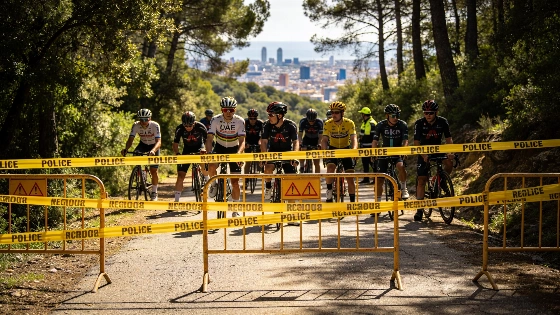
The Catalan government has approached the organizers of the Tour de France, demanding an adjustment to the final section of the race’s second stage to exclude passage through the Collserola natural area. The reason is the current restrictions in the region due to an outbreak of African swine fever (ASF). Authorities fear that the mass presence of spectators and vehicles in this part of Barcelona could hinder the work of health services and create additional risks for the spread of the disease.
According to the Department of Agriculture, access to natural areas in Collserola is already prohibited, and a program to reduce the wild boar population is in place. These animals are considered the primary carriers of the ASF virus. Authorities emphasize that holding a major sporting event in an area under special sanitary measures could not only hamper efforts to combat the infection, but also trigger new outbreaks.
Risks for the race and residents
In an official statement to the Tour de France organizers, the Catalan government asks that an alternative route be considered to avoid crossing the infected area. Authorities note that similar changes have been made in the past: last year, one of the race stages in France was rerouted due to an outbreak of another disease—bovine dermatitis. Catalan officials stress that their goal is to ensure the safety of participants and spectators as well as of the specialists working to eliminate the epidemic.
Among the main concerns are possible large gatherings of people and vehicles in the area where access is prohibited. This could not only complicate the work of veterinary services, but also lead to violations of sanitary regulations. Authorities emphasize that they want to ensure all fans can follow the race, but without risking health and safety.
Joint decision and experience of other regions
The final decision on the route will be made together with the Tour de France organizers and other stakeholders. Authorities in Catalonia stress that such measures are not an exception, but part of standard practice when sanitary threats arise. As an example, they mention France, where an outbreak of cattle dermatitis also forced changes to the cycling race route.
In parallel, the region continues to implement a strategy to contain the spread of ASF: access to natural areas is restricted, wild boar are being culled, and controls on animal movement have been tightened. The authorities assure that all decisions are made with the interests of residents and the safety of major events in mind. Incidentally, the organization of large sporting events in Barcelona has often been a topic of discussion—for example, recently the start of one of the Tour de France stages in the city sparked wide debate among fans.