CHJ President Accuses Valencia Authorities of Chaos in Flood Management. The CHJ president reported chaos during an emergency meeting on the day of the Valencia flood. According to him, public alerts were delayed by three hours. Hundreds of people fell victim to the disaster.
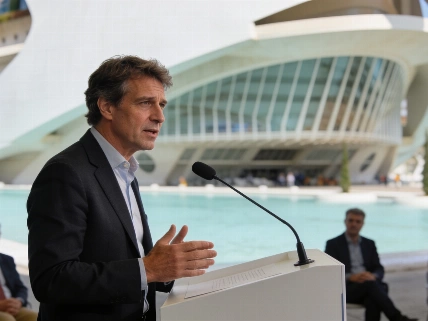
In Valencia, the aftermath of the devastating flood of October 29, 2024, is still being addressed. At a parliamentary commission meeting, Júcar Confederation (CHJ) president Miguel Polo sharply criticized the actions of regional authorities and the work of the Coordination Center (Cecopi) on the day of the tragedy. According to him, the meeting started late, and decisions were made slowly and disorganizedly, which led to delays in mass public alerts.
Polo emphasized that by five o'clock in the afternoon, his department had already recorded critically high water levels in several reservoirs and suggested immediately sending out a warning to residents. However, he claims that Valencia authorities only sent the emergency notification three hours later, when the death toll had exceeded 150 people and dozens more were stranded. In total, according to the investigation, the flood claimed 330 lives.
The CHJ head also noted that the key figures responsible for managing the emergency only arrived at the Cecopi meeting after noon and then left it to travel to another locality. He called this an “unforgivable lack of planning” and pointed out that by the time the meeting began, emergency services had already received nearly 9,500 calls for help.
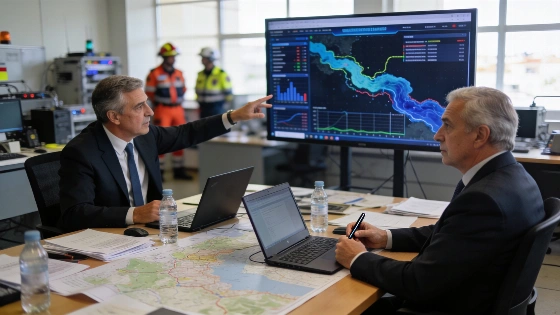
Polo also reported that throughout the day his team informed the authorities several times about the risks, and the automated SAIH monitoring system operated without interruption, providing up-to-date data. He rejected allegations of an “information blackout,” stating that the CHJ had sent 18 emails and 330 hydrological reports on key reservoirs. In his view, it was the lack of clear coordination and timely decisions from regional agencies that became one of the reasons for the scale of the consequences.
The hearings also discussed other factors that exacerbated the situation: insufficient capacity of road drainage systems, errors in the design of bridges and infrastructure, as well as issues with urban planning. Polo noted that restoration work is progressing quickly and most facilities are expected to be completed within the next month, but emphasized that these are targeted measures rather than comprehensive improvements to safety.
The context of the situation highlights just how important coordinated actions are in emergencies. Similar challenges have faced other regions of Spain, where the formation of new government bodies and coalitions, as was recently the case in Extremadura, demanded quick adaptation to crises — more details on this can be found in the report on the formation of the regional government at the link about supporting María Guardiola.
For reference: Cecopi is the key emergency coordination authority in the Valencian Community. CHJ is subordinate to the Ministry for the Ecological Transition of Spain and is responsible for monitoring and managing the water resources of the Júcar basin. After the tragedy in Valencia, the need to revise response protocols and strengthen interagency cooperation in the face of natural disaster threats is being discussed.