A discreet psychotherapist with no official credentials has been drawn into the investigation of Mango founder Isak Andic's death. Her involvement with Barcelona's elite families and controversial methods have now come under public scrutiny.
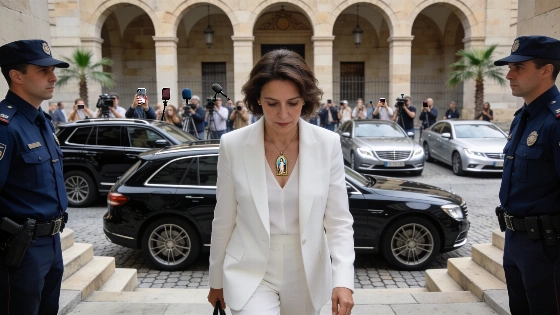
The discreet presence of Julia Lüderwaldt, known among Barcelona’s upper class as Julia or María Julia, has come under the spotlight after her testimony in the ongoing investigation into the death of Mango founder Isak Andic. Lüderwaldt, who lacks formal academic credentials and is not registered with any professional psychology association, was called as a witness in the Martorell court, where she detailed her involvement with the Andic family’s internal disputes. Her unconventional therapeutic approach, which extended into sensitive areas such as family finances and personal relationships, has raised questions about professional boundaries and ethics.
Lüderwaldt’s clientele includes some of the most prominent families in Catalonia, such as the Andics, the Sánchez Vicario family, and the Urdangarins. According to testimonies cited by EL PAÍS, her methods often led to increased dependency among clients, with some reporting a loss of autonomy in decision-making. One former patient described how sessions escalated from once a week to three times, eventually involving the entire family. The therapist’s approach, based on psychoanalysis and confrontation, was presented in court as a means to foster personal growth, but has been criticized by sector professionals for overstepping ethical lines.
During her court appearance, Lüderwaldt explained her role in mediating between Isak Andic and his son Jonathan, whose relationship had been strained for over a decade, primarily due to financial disagreements. The conflict intensified in mid-2024 when Jonathan requested a substantial advance on his inheritance—reportedly around 40 million euros—to pursue business ventures. Lüderwaldt’s involvement included advising on these financial matters, a move that both the judge and prosecutor found questionable. The therapist’s influence reportedly extended to encouraging family members to participate in therapy and even requesting intimate details unrelated to the original reason for consultation.
Her reach was not limited to the Andics. Lüderwaldt also intervened in the longstanding disputes within the Sánchez Vicario family, attempting to mediate between tennis champion Arantxa Sánchez Vicario and her relatives. In another high-profile case, she provided support to the family of Iñaki Urdangarin and the infanta Cristina during the fallout from the Nóos corruption scandal, aiming to help them accept the legal consequences facing Urdangarin. Despite her growing reputation among Barcelona’s elite, Lüderwaldt maintained a low public profile, with little online presence and no visible credentials at her practice.
Payment for her services was typically made in cash, and some clients reported feeling pressured to continue sessions or involve additional family members. Complaints from former patients described her as a “shaman” with sect-like practices, leading to increased dependency rather than resolution of their issues. The lack of professional registration has drawn criticism from Spain’s main psychotherapy associations, which emphasize the importance of ethical standards, confidentiality, and clear therapeutic boundaries.
While the criminal investigation into Isak Andic’s death has not implicated Lüderwaldt, her testimony has exposed the hidden world of unregulated therapy among Spain’s wealthy families. The case has also highlighted the risks associated with entrusting sensitive family and financial matters to practitioners operating outside official oversight. According to Spain’s psychotherapy federations, thousands of accredited professionals work under strict ethical guidelines, underscoring the contrast with Lüderwaldt’s controversial methods.
In Spain, the regulation of psychotherapy varies by region, but official registration and adherence to ethical codes are generally required for recognized practitioners. The exposure of Lüderwaldt’s activities may prompt renewed scrutiny of unlicensed therapists and greater demand for transparency in the sector, especially among high-profile clients seeking discretion and privacy.