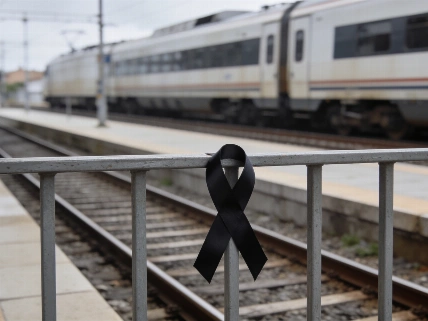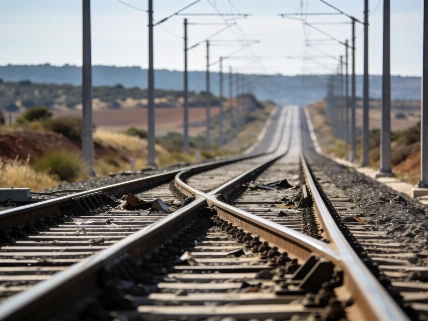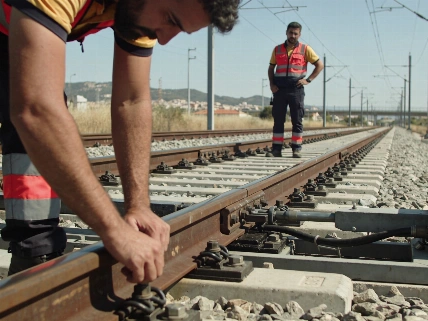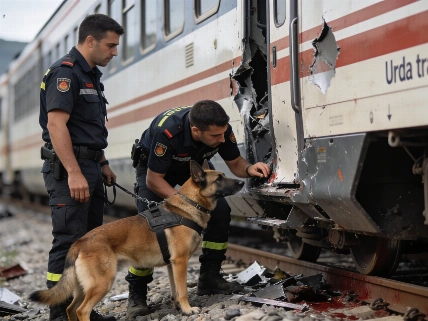
A crane began lifting train carriages in Urda on Saturday as search teams continued checking the wreckage for biological remains. The work continues as authorities identify the dead; the reported toll remains provisional at 69. The collision occurred at 08:53 local time on October 28 near kilometer marker 118 on Spain’s Madrid-Seville line. A Renfe AVE train travelling from Madrid toward Seville struck a stationary Iryo train; the trains carried 378 and 147 people, respectively. Several carriages fell down an embankment. That has complicated recovery efforts. Reuters described the crash as Spain’s deadliest rail accident since 2013 and its second fatal high-speed train crash of 2026.
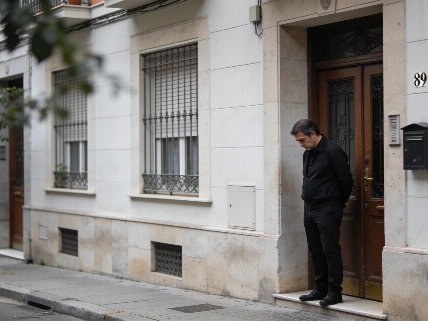
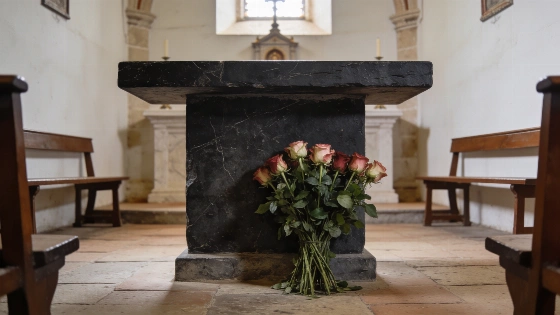
A funeral service was held in the town before a further ceremony planned at the Catedral de Toledo within the next few days. Many residents could not fit inside Urda’s parish church and received communion outside, where they had gathered for the service.
Earlier coverage of families searching for passengers described the uncertainty surrounding identification. On Saturday, Castilla-La Mancha president Emiliano García-Page said 34 people remained in hospital in the region, including 15 in intensive care. He said reports of missing people matched complaints made to the Guardia Civil. On October 30, Reuters reported that the Civil Guard had listed 64 people as missing; 49 autopsies had been completed and five victims formally identified. EFE reported García-Page’s remarks before the funeral in Urda.
The disaster has intensified pressure on Transport Minister Óscar Puente. The PP and Vox have called for his resignation, as has the Frente Amplio, described in the source as the PSOE’s main ally in the general election. Pedro Sánchez continues to support Puente. The crash followed another fatal high-speed rail accident in Spain earlier in 2026, adding to scrutiny of the national rail network ahead of the election.
At a press conference on Friday, Puente said the LZB system had failed 170 times in 2026. He also said he was considering suspending service on the Madrid-Barcelona line until remodelling work is complete. The source does not establish that either a closure or a final cause for the accident has been confirmed. The investigation into the collision remains ongoing. EFE reported that the rail-accident investigation authority briefly published a death toll of 74 before correcting it; the official count remained 69.
Juanma Moreno said the Madrid-Andalusia line was not safe. BNG deputy Néstor Rego argued that an audit should examine the privatisation of rail infrastructure and attributed the Urda crash to a failure in the safety system rather than human error. Europa Press reported that Rego expected to raise the issue with Puente the following week; the minister was due to appear before the Permanent Commission on Tuesday.
Political criticism has also focused on the handling of responsibility. The PP accused Puente of seeking a scapegoat, while the PNV said it wanted explanations and called for technical and political responsibility to be addressed. Its spokeswoman, Maribel Vaquero, said the priority should remain with victims while bodies were still being found.
Narciso Michavila, president and founder of GAD3, said the accident had prompted an abrupt change in voting intentions ahead of the 29 November general election. He said the PSOE had lost momentum and that participation was rising. Those remarks were his assessment of polling, not an election result.