The sixth stage of the Tour de Francia 2026 brings a fierce contest in the Pyrenees. Riders face the legendary Tourmalet and a punishing finish in Gavarnie-Gèdre. Key teams and favorites are under pressure as the heat intensifies.
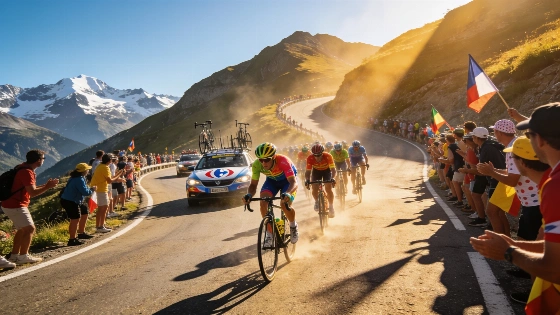
The sixth stage of the Tour de Francia 2026 has become a turning point in the race, with 186 kilometers from Pau to Gavarnie-Gèdre testing both the endurance and tactics of the peloton. The route, featuring the iconic ascent of the Tourmalet, has forced teams to adapt quickly as the competition for the general classification intensifies.
Early in the stage, a breakaway formed with Pedersen, Campenaerts, and Artz gaining a lead over the main group. However, the peloton, driven by Alpecin, NSN, and Uno-X, maintained relentless pressure, keeping the gap under control. The decisive climb up the Tourmalet was expected to begin around 15:45, with the summit anticipated just after 16:30, setting the stage for a dramatic finale.
Among the main contenders, Pogacar, Vingegaard, Del Toro, Seixas, and Ayuso have all been closely watched, especially as Evenepoel seeks redemption after last year's difficulties on the same mountain. The Lotto team received a warning from race officials regarding Artz's riding position, a detail that could influence the breakaway's effectiveness. Meanwhile, Movistar has shown interest in joining the escape, with Pablo Castrillo and Lenny Martínez as potential protagonists.
Riders have also had to contend with high temperatures, making hydration and sun protection critical throughout the day. The challenging conditions have added another layer of complexity to an already demanding stage, increasing the risk of fatigue and tactical errors as the race approaches its most decisive moments.
The significance of this stage is heightened by its reputation as the 'queen stage' of the Pyrenees, where the combination of legendary climbs and aggressive racing often leads to major shifts in the overall standings. The Tourmalet, in particular, remains a pivotal point where the strongest climbers can make or lose crucial time. As the peloton approaches Gavarnie-Gèdre, expectations are high for a fierce battle among the favorites.
Recent performances in the Tour de Francia have shown how unpredictable mountain stages can be. For example, Isaac Del Toro's breakthrough victory in Barcelona earlier in the race, as highlighted in coverage of his historic stage win, demonstrated how quickly the balance of power can shift. With the Pyrenean climbs now in focus, teams are recalibrating their strategies to respond to both the terrain and the evolving race dynamics.
The Tour de Francia's sixth stage underscores the importance of resilience and adaptability, especially as weather and course profile combine to challenge even the most experienced riders. The outcome in Gavarnie-Gèdre is likely to have lasting implications for the general classification, with every move on the Tourmalet scrutinized by rivals and fans alike. As the race continues, attention will remain fixed on how the leading contenders manage the pressure and seize opportunities in the mountains.
For context, the Col du Tourmalet is one of the most frequently used climbs in Tour de Francia history, often serving as a decisive battleground for the yellow jersey. Its steep gradients and unpredictable weather have contributed to some of the race's most memorable moments. The finish in Gavarnie-Gèdre, a lesser-known but equally demanding ascent, adds a new dimension to this year's route, ensuring that only the most prepared and resilient riders will emerge at the front. The combination of tradition and innovation in stage design continues to define the Tour's enduring appeal and competitive edge.