Three people, including a pregnant woman and a minor, were killed in a shooting in Isla Cristina. The incident has unsettled residents and highlighted ongoing clan conflicts. Authorities are investigating possible links to previous violence.
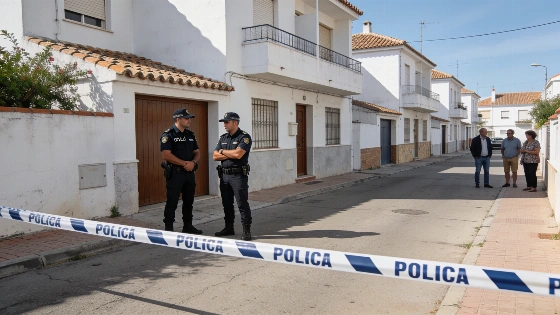
A deadly shooting late Sunday night in Isla Cristina, Huelva, has left the town reeling. Three people, among them a pregnant woman and a minor, lost their lives on Valverde del Camino street in the Rocío neighborhood. Two others were injured, one seriously. The incident, which authorities suspect is tied to a feud between local family clans, has shaken a community already familiar with the challenges of drug trafficking but unaccustomed to such extreme violence.
Investigators are treating the case as a possible score-settling between the Salazar and Moriña families, whose rivalry escalated after a violent clash in El Torrejón in 2024. That earlier conflict resulted in one death and two injuries, and the subsequent arrest of the alleged shooter, known as El Baba, failed to halt a cycle of reprisals. Since then, threats, attacks on homes, and further shootings have marked the ongoing dispute, which now appears to have spilled into Isla Cristina.
On Tuesday, the Rocío neighborhood showed signs of returning to routine, but the sense of unease remained. Residents described the area as hardworking and peaceful, insisting that the violence was brought in from outside and did not reflect the character of the local community. Many avoided discussing the incident, citing fears of further conflict. The majority stressed that such events are unprecedented in their town, which is known for its fishing industry and tourism rather than violent crime.
The Rocío district, located near the Carreras estuary, has long balanced its maritime traditions with the realities of drug smuggling. Police operations and sightings of high-speed boats are not uncommon, and the lure of quick money has drawn some local youth into illicit activities. Yet, as one supermarket worker noted, these issues do not define Isla Cristina, a town built on fishing, agriculture, and tourism.
The shock of the shooting was compounded by the fact that innocent bystanders, including a child and a pregnant woman, were among the victims. Residents recounted how the gunfire interrupted family dinners and left many too unsettled to eat. The violence, they said, was unlike anything the town had experienced before.
Despite the tragedy, daily life in Isla Cristina has resumed. Markets are busy, tourists continue to visit, and businesses have reopened. Still, conversations inevitably return to the events of Sunday night and the broader problem of organized crime in the region. The ongoing investigation remains under judicial secrecy, and while authorities suspect a link to the clan feud, other possibilities have not been ruled out.
Isla Cristina is not alone in facing the challenges of migration, organized crime, and social tension. Across Spain, local authorities are grappling with how to respond to sudden surges in violence or population shifts. For example, Ceuta recently prepared new shelters for migrants after a spike in arrivals, a move that sparked debate over priorities and resources. Details on that situation can be found in this report: Spanish authorities prepare new migrant shelters in Ceuta amid local tensions.
According to official data, Isla Cristina has a population of just over 21,000 and is a key hub for Andalusia’s fishing sector. The town’s proximity to the Portuguese border and its active port have made it both a center for legitimate trade and a target for smuggling operations. While police have increased patrols and surveillance in recent years, the persistence of clan-based disputes and the attraction of fast money continue to pose challenges. The latest shooting has intensified calls for more effective intervention and support for communities caught between tradition and the pressures of organized crime.