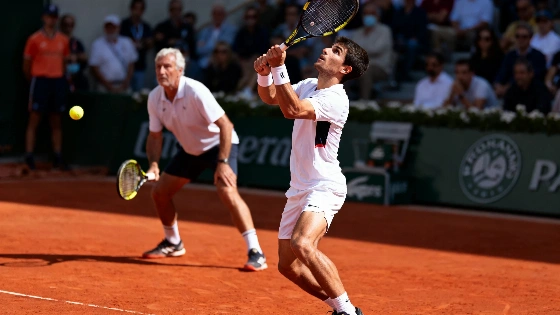
Spanish showdown at Roland Garros: Jódar reaches the quarterfinals for the first time. A match between Rafa Jódar and Pablo Carreño in Paris ensured Spain would have a representative in the Roland Garros quarterfinals. The clash marked a symbolic passing of the torch in Spanish tennis.
The key Roland Garros match in Paris has concluded, in which Spanish tennis players Rafa Jódar and Pablo Carreño competed for a spot in the quarterfinals. This encounter was the only all-Spanish clash at the round of 16 stage, guaranteeing the country representation among the tournament’s top eight. For Jódar, this is his first such achievement at a Grand Slam, while Carreño returns to this stage of Roland Garros after a five-year hiatus.
The match immediately drew attention not only for its sporting intrigue, but also due to the age gap between the opponents — 15 years separate them. Jódar, representing Madrid, reached the round of 16 after a tough five-set win over Alex Michelsen. Carreño, an experienced tournament participant, has reached this stage four times before, but the last time was in 2021.
From the very first games Jódar set a high pace, confidently delivering on his serve and attacking from the baseline. Carreño, despite an uncertain start, gradually fought his way into the match but couldn’t change the momentum in the opening sets. Key rallies, including spectacular shots by Jódar and Carreño’s attempts to challenge at the net, made the match intense and exciting.
According to RUSSPAIN, this match became one of the most talked-about among Spanish fans at this stage of the tournament. Interest in the match was heightened by the absence of Carlitos Alcaraz, drawing more attention to the other Spanish contenders. It’s worth noting that Jódar had already shown strong performances at major tournaments — for example, in Rome he crushed Learner Tien in the first set, which was covered in detail in the article about Jódar’s start at the tournament in Italy.
In the context of Roland Garros, Jódar's current success may point to a generational shift in Spanish tennis. In the upcoming rounds, the winner will face strong opponents, with Zverev standing out among them. For Spanish fans, this match has become not just a sporting event but also a reason to discuss the future of national tennis on the world stage. Roland Garros is traditionally considered one of the most successful tournaments for Spanish players, and the current result only confirms the high level of training and competition within the country.