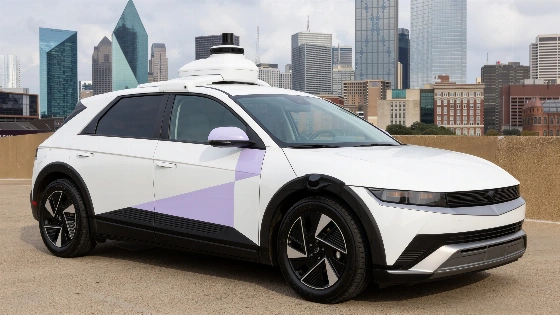
Uber has chosen Madrid as one of the first European cities for its autonomous taxi service. The launch depends on regulatory approval, but the company is betting on the Spanish capital to lead its next phase of driverless transport.
Madrid could soon see cars on the road with no one behind the wheel. Uber has picked the Spanish capital as its top European candidate for driverless taxis. The company wants to launch its autonomous service here, but the plan is stuck. Spanish regulators have not yet given the green light.
Uber is not new to this game. The company already runs thousands of self-driving cars in cities like Austin, Phoenix, and Atlanta. It has also rolled out robotaxis in Abu Dhabi and Dubai. Now, Uber is eyeing Europe. Zurich and London are on the list, but Madrid stands out. Uber sees big potential here—if lawmakers agree.
In September 2026, Uber, WeRide, and local operator AVOMO received Spain's first national Level 4 license for passenger autonomous rides in Madrid, paving the way for commercial robotaxi operations in the capital.
The technology is ready. Uber says its cars use advanced sensors and cameras to handle city streets. The real problem is legal. Spain still requires a human supervisor in every autonomous vehicle. There is no launch date yet. Uber says it will not start service until it gets full approval.
The company is aiming high. Uber wants to lead the world in autonomous transport by 2029. It already has more than 20,000 driverless vehicles running in the US and UAE. Uber is betting that Spain will soon open the door for its next European rollout.
For people in Madrid, the idea of calling a taxi with no driver is getting closer. But not yet. Uber’s choice of Madrid shows talks with regulators are moving forward. The final call belongs to Spanish authorities. Reports from top Spanish media say the first pilot will use 20 WeRide GXR robotaxis in Madrid and Alcobendas. Before passengers can ride, the cars will go through mapping and testing. The goal is to start by the end of 2026. At first, a trained safety operator will sit in every car. Fully driverless rides will not happen right away.
Spanish publications emphasize that, until now, the country lacked a dedicated legal framework for fully driverless vehicles, which kept such projects limited to tests and lengthy regulatory approvals. The recent Level 4 license marks a significant regulatory milestone and could position Madrid as the first European capital with a commercial driverless robotaxi pilot if the project proceeds as planned.
Spain has struggled with new mobility services before. One recent case involved a major car rental company and a high-profile breakdown. That story showed how hard it can be to bring new transport tech into the Spanish market. Uber’s robotaxi push will test both its technology and Spain’s rules.
Uber is taking a risk by putting Madrid at the center of its European plans. The company is counting on Spanish regulators to set up clear rules for autonomous vehicles. If Madrid gets the go-ahead, it could become one of the first cities in Europe with real driverless taxis. That would be a big shift for city life in Spain. The future could start here.