Spain’s used car market is booming, with nearly two million vehicles expected to change hands this year. As digital platforms transform how Spaniards buy and sell, new challenges and opportunities are emerging for buyers, sellers, and the entire mobility sector.
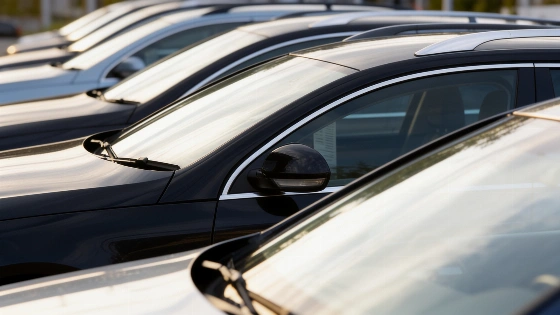
Spain’s used car market is moving fast. In 2026, sales of secondhand vehicles are not just beating new car registrations—they are changing how people get around. Industry reports show 1,452,851 used cars sold from January to August 2026. That’s a 2.8% jump over the same stretch in 2025. Annual turnover now tops 38 billion euros. For every new car on the road, between 1.5 and 1.8 used cars change hands. The numbers speak for themselves.
But there’s more to the story than sales figures. The average used car sold in Spain is now over 14.6 years old. In private deals, cars are even older. Models like the Volkswagen Golf and Renault Megane, both well past the ten-year mark, lead the pack. Madrid is the only region where the average age of used cars drops below 10 years. In Castilla y León and Asturias, buyers are picking up much older vehicles.
In the first quarter of 2026, Spain imported 55,241 used cars from abroad, further boosting supply on the secondhand market.
Digital disruption
The real shake-up is happening online. Most Spaniards now start their search for a used car on digital platforms. Classified portals and dealership websites are the main entry points. Industry sources confirm that the web shapes the buying journey. Deals may still close in person, but the hunt begins online.
Coches.net started as a digital answer to paper classifieds in the late 1990s. Now it’s a heavyweight, owned by international investors. Entrepreneurs like Iñaki Arrola and Pablo Fernández have pushed things further. Arrola’s Coches.com rebranded and expanded into used cars and financing. Fernández’s Clicars went all-in on a digital, fixed-price model. They offered radical transparency and a 15-day return window. In just six years, Clicars built a 500-million-euro business. Stellantis’s Aramis Group bought it in 2022.
Other startups jumped in. MundiCars, launched by Alberto Fossas, mixes digital catalogs with face-to-face service. Motoreto, led by Marco Conde and David Casanova, built a SaaS platform for verified dealerships. Motoreto’s B2C model acts like a personal shopper, matching buyers with offers that fit their needs.
In August 2026, 57% of used car sales in Spain involved vehicles older than 10 years, with diesel models accounting for about 47% of transactions and petrol for 36.3%. Electrified vehicles, including hybrids and electrics, made up only 16.6% of the market, highlighting the slow pace of fleet renewal.
Falling prices and new risks
Prices are dropping. July 2026 saw the average asking price for a used car fall to 17,080 euros. That’s nearly 5% less than a year earlier. Market data shows the August average at 17,281 euros, down 4.7% year-on-year. The drop comes as more seven-year-old and newer cars hit the market. New electrified models are also putting pressure on prices. The biggest price cuts hit nearly-new cars. Vehicles under three years old and less than 30,000 km are down almost 8% from last year.
But as the market grows, so do the risks. A 2025 CARFAX study found that a third of used cars sold the previous year had hidden risks. Many of these were imports or ex-rentals. To fight this, CARFAX and startups like NeedCarHelp and Checkar now offer independent inspections, digital histories, and expert reviews. Some even guide buyers remotely. The goal is simple. Help people avoid nasty surprises.
Sustainability and the electric challenge
Keeping cars on the road longer helps the environment. But Spain’s aging fleet means more pollution and tougher recycling. Recomotor is tackling this by digitizing the recovery and sale of used car parts. They even automate requests through WhatsApp chatbots. Desguace Suspiro, a long-standing player, still offers guaranteed secondhand parts. The pressure to innovate is real.
Used electric cars bring new headaches. Battery wear, high replacement costs, and a lack of big recycling plants are all problems. GDV Mobility in Alicante leads in battery recovery and recycling. They hold a unique license to revalorize lithium batteries and run their own refurbishment plant. Novolitio, a joint venture between Endesa and Urbaser, recovers up to 90% of battery components. They also certify second-life uses for batteries that still have juice left.
Still, there’s no dedicated marketplace for used plug-in hybrids and electric cars. Buyers can’t easily get advice on real-world range, home charger installation, or available subsidies. That’s a big gap. Someone will fill it soon.
Financing and new business models
Financing is a hurdle for many buyers. Young drivers and families looking for a second car often get turned down by traditional lenders. After selling Clicars, Pablo Fernández teamed up with AI expert Elena González-Blanco to launch Clidrive. The platform connects drivers with investors and banks. The car itself acts as collateral. Lendrock, another digital lender, promises fast credit decisions and little paperwork for used car buyers.
The market is maturing. Transparency and traceability are now must-haves. Blockchain pilots like CarTrustChain have tested tamper-proof mileage records. Mass adoption is still out of reach. But the push for cleaner, more reliable data is changing how trust works in every deal.
What’s next for Spain’s roads
Nearly two million used cars are expected to change hands by the end of the year. Digital platforms are rewriting the rules. Diesel still dominates, but hybrids and electrics are gaining ground. The average car is still old. A recent analysis points out that the auto sector faces pressure from changing consumer habits and the electric shift.
The winners will be those who blend digital ease, mechanical transparency, and sustainable practices. The used car market is no longer just for bargain hunters. It’s now a testing ground for the future of Spanish mobility. The next wave will come from those who turn today’s problems into tomorrow’s business models. Technology and trust will decide who leads.