Used car prices in Spain have dropped fast as new electric models and more stock hit the market. But most sales still involve old diesel and petrol cars, so the shift to cleaner vehicles is slow and uneven.
Spanish drivers looking for a cheap electric city car are running into a market that is changing quickly. The average price for a used passenger car dropped to 17,281 euros in August, down 4.7% from last year. More electrified models and a rebound in available stock are pushing sellers to lower prices. Some industry sources, as reported by Spanish media, put the average even lower at 15,770 euros for August. The gap shows how much market surveys can differ.
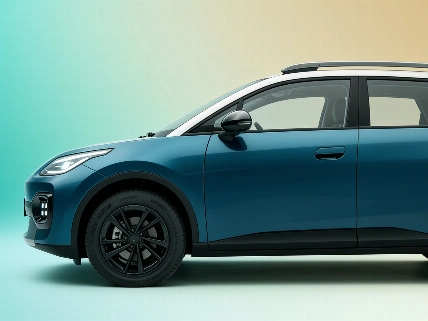
This is a sharp turnaround from the last few years. Back then, microchip shortages, shipping problems, and other supply issues kept used car prices high. Now, more than 40 new electrified models—many from Chinese brands—are arriving in Spain at competitive prices. The change is most obvious in cities. Listings for nearly new electric cars like the SEAT Mii electric and Toyota C-HR+ are popping up more often.
In the first half of 2026, sales of used electric vehicles in Spain grew by 45.3%, while plug-in hybrids increased by 49%.
But the numbers tell a tough story. Even with prices falling and a 13% jump in online searches for electrified cars in August compared to July, actual sales of electric and hybrid cars are still slow. The main reasons are clear. Household budgets are tight, and the second-hand electric market is still small. Fuel prices keep rising, but most buyers are not ready to switch. GANVAM data shows hybrids make up 12% of used car registrations, and fully electric cars only 2%. The pace of change is slow.
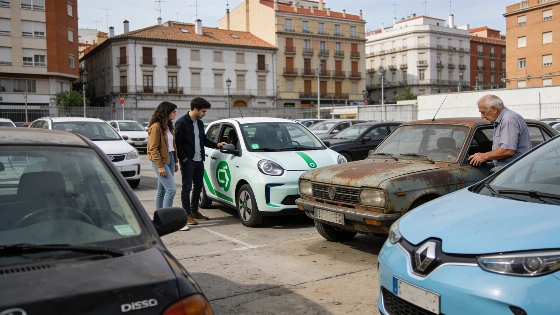
Old cars still dominate. Coches.net reports that 57% of used car sales in August were for vehicles over ten years old. Diesel models made up almost 47% of deals, and petrol cars 36.3%. Hybrids and electrics together were just 16.6% of the market. The Spanish car fleet is modernizing slowly. Industry watchers say the market is risky and depends a lot on the age and condition of cars. Older diesel and petrol cars are still in high demand.
Groups like Ganvam and coches.net want targeted incentives to make younger used electrified cars—especially those three to five years old—easier to buy. They say this could help people who cannot afford new electrics and speed up the replacement of Spain’s old, polluting fleet. Both groups also call for scrappage programs aimed at the oldest, dirtiest cars. Without these policies, they warn, outdated vehicles will stay on Spanish roads and in the used market.
Spain's share of battery electric vehicles (BEV) in new registrations reached 14.0% in August 2026, while the average across 16 key European markets was 30.5%. This shows Spain is progressing but still lags behind more mature EV markets.
Regional gaps are starting to show. In Madrid, Catalonia, and the Valencian Community, Low Emission Zones and a high number of rental and leasing fleets are boosting the supply of nearly new and electrified cars. This mix of more stock and new electrified models is cooling prices after years of strain. But it also means more competition for older used cars.
Anyone watching Spain’s urban mobility can see the shift. Cheaper electrified models, especially from China, are forcing the used market to adapt. Still, as a recent report on the city EV race points out, there is still a big gap between what buyers want and what they actually buy.
Spain’s used car market is at a turning point. Lower prices and more choice should help the move to cleaner cars. But old habits and tight budgets are slowing things down. Unless policymakers step in to make younger electrified cars easier to buy and get the oldest vehicles off the road, most Spanish drivers will find a modern, low-emission fleet out of reach.