Spain Widely Used Frequency Detectors in University Entrance Exams. In 2026, almost all of Spain held university entrance exams under new control measures. For the first time, frequency detectors were widely used to combat electronic cheating. In some regions, the exams coincided with teachers’ strikes.
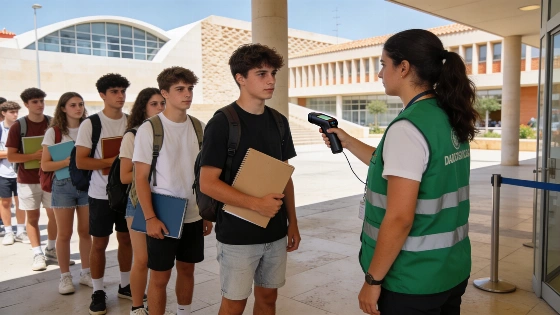
A large-scale university entrance exam session (PAU) has begun in Spain this year under enhanced supervision. For the first time in most autonomous communities, including Valencia and Andalusia, frequency detectors are being widely used to detect cheating attempts with electronic devices. This new measure was introduced in response to the increasing use of concealed gadgets and artificial intelligence among applicants.
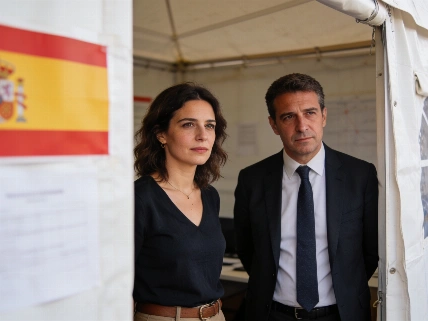
In Valencia, the exams coincided with a teachers' strike that has been ongoing for a month. Despite the protests, the examination process was not disrupted: some teachers participating in the strike continued to supervise the test halls, while others tried to refuse grading but could not due to changes in regulations. According to organizers, 25,666 participants are registered in the region—8% more than a year ago.
In Andalusia, where a record number—over 53,000 graduates—are taking the exams, supervision was also tightened. Frequency detectors were selectively used at the entrance to examination rooms. According to university representatives, no serious violations were recorded: in one case, a device was triggered by a student's earrings. Overall, the exams went calmly despite the applicants’ anxiety.
This year's Spanish language and literature exam topics included excerpts from works by Emilia Pardo Bazán and Manuel Vicent, as well as questions on Spain's history—from the Constitution of 1845 to the Franco era. The history tasks included questions about the nicknames of monarchs, the concept of 'enlightened despotism,' and the date of the Muslim conquest of the Iberian Peninsula. Many graduates noted the difficulty of the assignments, especially in morphology and literary genres, as well as the unexpected inclusion of topics that had previously appeared rarely.
In Madrid, where the exams started a day earlier, students noted that after the first day the tension subsided and the format of the assignments was familiar. Some graduates plan to take additional subjects to boost their final score and gain entry to the most sought-after programs, where the passing score exceeds 13 out of a possible 14.
The widespread use of frequency detectors at exams became a notable innovation this year. Until 2026, such devices were only used in certain regions, such as Galicia. Now, the fight against electronic cheating has become a national issue. As russpain.com notes, Spain had previously recorded cases of increased oversight in educational institutions amid teacher protests, for example, when Casa Batlló in Barcelona did not open due to a teachers' strike.
The PAU exams are a key stage for admission to Spanish universities. The final score is calculated based on the results of mandatory and additional subjects, allowing applicants to increase their chances of entering prestigious institutions. In recent years, competition for places has intensified, and admission requirements have become more stringent. The introduction of new monitoring technologies reflects the authorities’ commitment to ensuring the integrity of the examination process and adapting to the challenges of the digital age.