Far-right Criticism Did Not Stop Cáritas Valencia: Aid to Migrants Continues. Cáritas Valencia has come under pressure from far-right groups over its support for migrants. The organization’s leadership states it has no intention of changing its priorities. Authorities are discussing possible changes in funding.
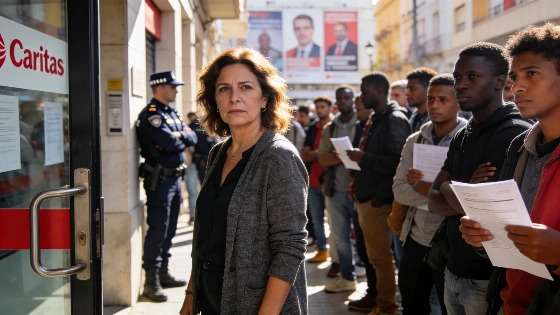
In Valencia, pressure is mounting on Cáritas Diocesana after the organization became actively involved in the process of legalizing migrants. In recent months, Cáritas staff and volunteers have helped more than a thousand foreigners obtain documents, which has triggered a sharp reaction from far-right parties. Representatives of Vox and part of the Partido Popular insist that 'national interests' should take priority, threatening to review state funding for organizations that support undocumented migrants.
Aurora Aranda, director of Cáritas Valencia and a social worker with 30 years of experience, emphasizes that the organization's main mission is to support vulnerable people, regardless of their background. According to her, most of the migrants seeking assistance are facing challenging administrative situations, and for them, Cáritas has become one of the key channels for obtaining information and processing necessary paperwork. Aranda notes that refusing to continue this work under pressure would be the most alarming scenario.
Cáritas is funded mainly by private donations, though part of its budget comes from public funds. The organization's management tries to maintain a balance to avoid political dependence. Despite the threats, there have been no cuts in support from regional authorities over the past three years. Aranda stresses that under both the current Partido Popular government and the previous government led by PSOE, the organization has not faced sanctions for assisting migrants.
The issue of 'national interests taking priority' remains the subject of political debate. The leadership of Cáritas believes that the focus should be on people, not their status or origins. According to Aranda, many Spanish residents change their attitude toward migration when they encounter migrants' personal stories, for example, when they care for elderly relatives. However, experience shows that part of society still views migration as a threat, which is linked to the spread of stereotypes and a lack of information.
Amid ongoing budget negotiations between Partido Popular and Vox, the question of future funding for organizations working with migrants remains unresolved. The leadership of Cáritas is prepared for possible changes and notes that, if necessary, it will seek additional sources of support. At the same time, according to Aranda, the rise in polarization and growing distrust toward migrants pose a much greater risk than possible budget cuts.
Interestingly, criticism of Cáritas and even Pope Leo XIV comes from politicians traditionally associated with Catholic values. Aranda believes such contradictions stem from the complexity of human nature and different life circumstances. She emphasizes that Cáritas is not just a charitable organization, but part of the Church's mission, and its activities are recognized at all levels.
In recent years, Spain has faced an increase in the number of migrants, which inevitably affects public sentiment. According to Aranda, the level of xenophobia and racism has not grown compared to the past, but issues of integration and support are becoming increasingly relevant. It is important to note that similar debates over priorities and resource allocation are taking place in other regions of the country as well. For example, a court in Girona recently acquitted a defendant due to errors with evidence, which also sparked public outcry — you can learn more about this in the article about the court decision in Girona.
For reference: Cáritas Diocesana de Valencia operates in the territory of Valencia and the northern part of Alicante, bringing together volunteers both from church circles and beyond. The organization not only supports migrants but also implements projects for people with HIV, and helps victims of armed conflicts, including in Ukraine. Issues of funding and political pressure remain pressing; however, the management of Cáritas emphasizes that the organization’s mission is to help everyone in need, regardless of the political situation.