IVAM drops Andreu Alfaro's logotype after rebranding. The IVAM Museum of Contemporary Art in Valencia has removed Andreu Alfaro's logotype. The decision comes as part of a rebranding effort. This has sparked debate over the preservation of cultural heritage and the role of the museum.
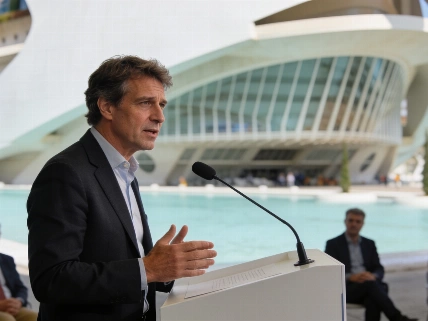
In Valencia, the IVAM Museum of Contemporary Art has officially abandoned the logo created by one of its founders, Andreu Alfaro. The new branding is presented as a step towards a "more relevant, dynamic, and sustainable" identity. However, the decision has already sparked debates about the preservation of cultural heritage and the institution's attitude toward its past.
Alfaro's logo, known for its minimalist and distinctive style, had been an integral part of IVAM's image since its founding. Its introduction is linked to a period when the museum was considered one of the key centers of contemporary art in Spain. At that time, the project was supported by sculptor Andreu Alfaro, critic Tomàs Llorens, and socialist politician Cipria Císcar. Thanks to their efforts, IVAM quickly became a significant player on the country's cultural map.
However, in recent decades, the museum has lost its former standing. After the change of power in the Valencian Community in 1995 and subsequent political shifts, IVAM gradually lost influence and attendance. Attempts to revive public interest failed to produce lasting results, while private cultural initiatives in the region—such as the Hortensia Herrero Art Centre and the Chirivella Soriano Foundation—began to gain momentum.
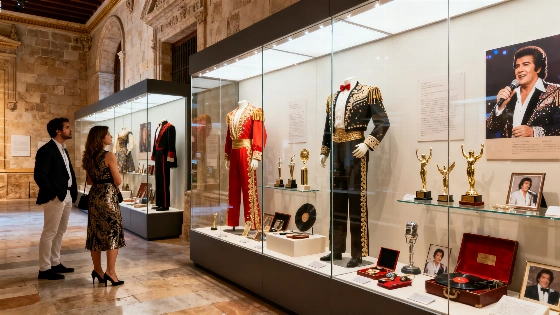
The museum now finds itself in a situation where it is being compared to less significant tourist sites in the city. The decision to remove Alfaro's logo and replace it with a new visual style is explained by the need for a “modern interpretation” and a “dialogue of layers of identity.” At the same time, the previous symbol remains only in the permanent exhibition, in order to avoid accusations of a complete break with history.
Official comments emphasize that the new identity does not diminish the importance of Alfaro’s work, but only “reinterprets” it. However, some professionals and observers see this move as an attempt to distance the museum from its founders and their ideological positions. Some associate the changes with the broader trend of reexamining cultural structures that emerged in Spain after the transition to democracy.
Amid these changes, IVAM faces competition not only from private centers but also from major museums such as the Guggenheim in Bilbao, which has long surpassed it in visitor numbers and influence. The question of IVAM’s future role in Valencia’s cultural life remains open. For comparison, other areas of Spanish cultural policy are also undergoing notable changes — for example, as was recently noted in a story about sports betting between Greece and Italy, where unexpected decisions spark considerable resonance (details here).
For reference: IVAM (Institut Valencià d'Art Modern) was opened in 1989 and became the first museum of contemporary art in Spain. Its collection includes works by Julio González as well as other prominent 20th-century artists. Andreu Alfaro is one of Valencia's most notable sculptors, with works featured in major museums across Europe. The decision to change the logo could be significant for the entire region's cultural policy.