Parent Associations Demand Faster Talks on Valencia School Strike. Pressure is mounting on authorities in Valencia over the prolonged school strike. Parents are demanding an immediate resolution to the conflict. Teachers are preparing to vote on new proposals.
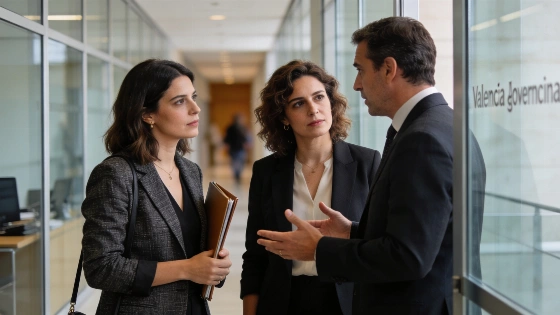
The conflict over the strike in public schools in Valencia remains at a peak: the region’s largest parent association — Confederación de Asociaciones de Madres y Padres de Alumnos de la Comunidad Valenciana Gonzalo Anaya — met with regional education minister Carmen Ortí (PP), demanding that negotiations be accelerated and a solution found to prevent further losses for students. According to association president Vicent Gumbau, the situation has dragged on for so long that children are suffering above all, and the ongoing uncertainty is fueling growing discontent among families.
The strike, which has lasted nearly three weeks and involves all levels of non-university education — from preschools to high schools and vocational colleges — has coincided with the end of the academic year and entrance examination periods. Parent organizations point out that the situation varies from school to school: in some, teachers are trying to minimize the impact on students, while in others, classes have virtually come to a halt and the consequences are difficult to assess at this point.
Elisabet Garcia, head of the Federació de Asociación de Madres y Padres de Alumnos (Fampa) de València, part of Gonzalo Anaya, emphasizes that parents are increasingly fatigued and anxious due to the lack of clarity about when the conflict will end. She notes that children are suffering not only because of the strike itself, but also because of accumulated problems in the education system that have resulted from insufficient attention and resources in recent years.
Meanwhile, the STEPV, CC OO and UGT unions are holding final consultations with the Ministry of Education on the new version of the agreement. In the coming day, they plan to hold a vote among teachers on each of the proposed points. The results of this survey will determine whether a general or partial agreement can be reached and whether the protests will continue. Union representatives emphasize that disagreements persist on several key issues, including class sizes and staffing, while no compromise has been reached yet on teaching Valencian language.
The head of CSIF's regional branch, José Seco, stated that the unions intend to use the remaining time to refine contentious points, especially regarding staffing schedules and language policy, in order to secure more concrete agreements.
The situation in Valencia is unfolding against the backdrop of other notable events in Spain related to government actions and public reactions. For example, Madrid authorities recently decorated the city on a large scale for the Pope’s visit, sparking debate about spending and priorities — more details can be found in the article about the city’s preparations for the pontiff’s visit.
For reference: in Spain, parent associations have traditionally played a significant role in educational conflicts, while prolonged strikes in schools are rare and usually result in a review of teachers' working conditions and additional support measures for the education system. In recent years, issues of funding and education quality have remained among the most pressing for regional authorities.