Two major earthquakes have devastated Venezuela, leaving at least 920 dead and thousands missing. International rescue teams are working in collapsed neighborhoods. Hospitals and shelters are overwhelmed.
Venezuela is facing a national emergency after two powerful earthquakes, measuring 7.2 and 7.5, struck within a minute of each other on Wednesday evening. The disaster has left at least 920 people dead and more than 3,360 injured, with tens of thousands still unaccounted for. The hardest-hit regions include La Guaira state and the capital Caracas, where hundreds of buildings have collapsed, forcing many residents into temporary shelters or onto the streets.
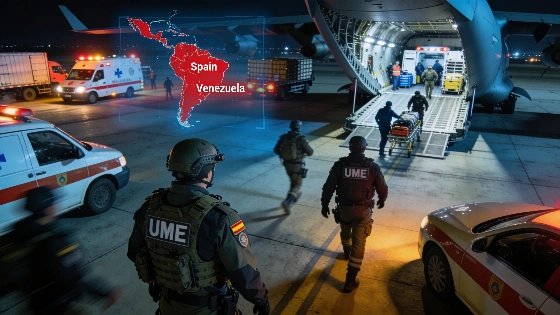
Rescue operations have entered their third day, with local teams joined by nearly 2,000 international specialists from countries such as Mexico, Switzerland, Spain, the United Kingdom, and the United States. The arrival of 39 rescue teams and 111 trained dogs has brought some hope, but the scale of destruction continues to challenge emergency services. Hospitals are stretched beyond capacity, and the ongoing aftershocks are complicating efforts to reach survivors trapped under debris.
Acting President Delcy Rodríguez has stated that the immediate priority is to locate and save those still alive. The government has deployed military units to the most affected zones to support recovery and maintain order. The United Nations' humanitarian chief Tom Fletcher has praised the rapid international response, highlighting the coordinated efforts underway. The death toll includes foreign nationals from Portugal, China, Spain, Brazil, and Italy, underlining the international dimension of the tragedy.
International aid has begun to arrive, with the United States pledging $150 million in assistance. Many survivors are spending nights in makeshift shelters or outdoors, fearing further tremors. The situation remains critical as emergency teams continue to search for missing persons and provide support to displaced families. The militarization of disaster zones aims to speed up recovery and ensure the safety of both residents and aid workers.
Natural disasters of this scale have previously tested emergency systems in the region. For example, the recent heatwave in Spain that resulted in over a hundred deaths highlighted the vulnerability of public infrastructure to extreme events. In Venezuela, the current crisis has exposed the urgent need for coordinated international support and robust local response mechanisms.
Venezuela's earthquakes come at a time when the country is already grappling with economic and social challenges. The impact on daily life is severe, with thousands left homeless and critical infrastructure damaged. As rescue efforts continue, authorities warn that the number of casualties may rise further, and the full extent of the disaster is still unfolding.