Thousands in Venezuela mobilize after deadly earthquakes. Civil society leads rescue and aid as state response falters. Foreign teams join efforts amid ongoing chaos and uncertainty.
In the aftermath of two powerful earthquakes that struck La Guaira and surrounding areas, Venezuelan society has mobilized on an unprecedented scale. As official rescue operations struggled to keep pace, ordinary citizens took the lead in searching for survivors, delivering aid, and supporting families left devastated by the disaster. The government, led by Delcy Rodríguez, has so far acknowledged 1,430 deaths and 3,360 injuries, but the true toll remains uncertain as many remain missing beneath collapsed buildings.
Scenes across Catia La Mar, Caraballeda, and other affected neighborhoods reveal the scale of the tragedy. Bodies lie covered in makeshift shrouds near ruined structures and hospitals, while families and volunteers dig through rubble in search of loved ones. The earthquakes, which struck on San Juan Day, have triggered more than 400 aftershocks, compounding the sense of instability and fear among residents.
Despite the chaos, the response from Venezuelans has been marked by resilience and mutual support. Civil society initiatives have logged over 68,000 missing persons reports, with families both inside the country and in the diaspora desperately seeking news. Social media is flooded with photos and appeals, and more than 13,000 people have already been located. Volunteers gather in public squares, distributing essentials like water, food, and pet supplies, often insisting that those in need accept help even if they hesitate.
Foreign rescue teams have played a crucial role. Salvadoran specialists were among the first to arrive, managing to save a teenage girl and her pet after hours of dangerous work. Spanish teams, including the Unidad Militar de Emergencia (UME) and Madrid's Ericam, have also achieved notable rescues, pulling survivors from the debris after days trapped underground. Their efforts continue as the search for life persists in the hardest-hit districts.
Amid the ongoing emergency, the limitations of the state apparatus have become increasingly apparent. Volunteers and civil organizations have faced bureaucratic obstacles and, in some cases, hostility from authorities. Yet, the determination of the population to help one another has often outpaced official efforts. Long lines formed at the Poliedro in Caracas as people registered to join rescue missions, while churches, schools, and universities transformed into collection centers for donations.
Many of the buildings most affected by the earthquakes were constructed as part of government housing initiatives, raising concerns about their structural integrity. In areas like the Gran Misión Vivienda complex in Caribe, families fear that many residents remain trapped. Similar worries surround hotels near Maiquetía airport, where only a fraction of those present during the disaster have been found.
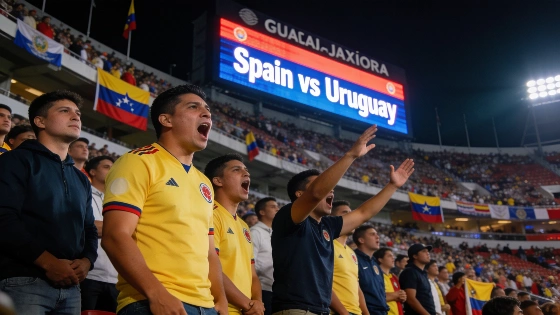
International attention has also focused on Venezuela’s plight. The global response has included both humanitarian aid and public gestures of solidarity. Notably, a recent incident at a Spain-Uruguay football match in Mexico, where a minute of silence for Venezuelan earthquake victims was disrupted, sparked widespread debate and highlighted the emotional resonance of the tragedy beyond the country’s borders. Details of that event can be found in this report on the reaction to the disrupted tribute.
As the situation evolves, the Venezuelan experience underscores the capacity of civil society to respond in moments of crisis, even when state mechanisms falter. The ongoing rescue and relief efforts continue to draw on both local initiative and international support, with thousands still awaiting news of missing relatives and the full impact of the disaster yet to be measured.
For context, Venezuela has faced repeated challenges in recent years, including political instability and mass emigration. The earthquakes have further strained already limited resources, while the country’s large diaspora has played a key role in coordinating information and aid. The events in La Guaira serve as a stark reminder of the importance of community action when institutional responses are insufficient.