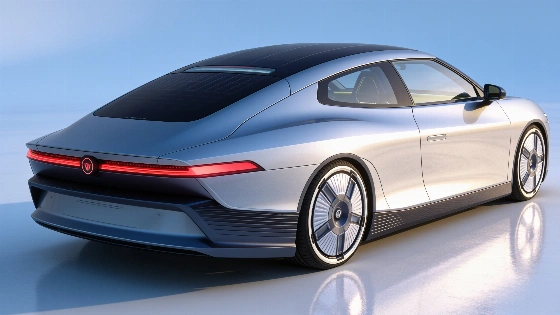
Volkswagen has introduced a radical electric prototype based on the XL1, built for extreme efficiency but never intended for sale. The Mission Efficiency concept focuses on advanced aerodynamics and lightweight construction, with its innovations set to influence future production cars.
Volkswagen has introduced its most extreme electric prototype yet: a car designed for record-setting efficiency that will never be offered to buyers. The Mission Efficiency concept, drawing on the XL1’s legacy, isn’t a commercial product. Instead, it’s a working experiment for the next phase of electric vehicles.
Unlike the original XL1, which was produced in small numbers for collectors, this new prototype is strictly off-limits to the public. Volkswagen’s engineers started with the ID platform and pared it down, focusing on aerodynamics and weight savings rather than simply adding bigger batteries. The result is a car that uses far less energy than anything currently on European roads. Volkswagen Newsroom reported that the Mission Efficiency was unveiled on September 14, 2026, as the company’s "most efficient near-production electric vehicle," but confirmed it will not go into production.
The Mission Efficiency concept achieves a drag coefficient of just 0.158, making it one of the most aerodynamically efficient electric vehicles ever demonstrated.
Every detail of the Mission Efficiency prototype is built around efficiency. The body was shaped in a wind tunnel to reach an exceptionally low drag number. Wheel arches are fully covered, the front air intakes have active shutters, and movable flaps adjust airflow at speed. The rear narrows sharply to reduce turbulence, and traditional mirrors are replaced by high-definition cameras. The suspension lowers itself at cruising speeds to cut resistance even further.
The chassis and panels use ultra-light materials, and the wheels have low rolling resistance tires on closed rims. These choices let the prototype use about half the energy of today’s typical electric city cars, according to Volkswagen. Instead of adding more battery cells, the focus is on squeezing the most range from every kilowatt hour. Official specs list the MEB+ platform, a 99 kW (135 PS) front-wheel-drive electric motor, and a 54.9 kWh battery, with reported consumption of just 6.48 kWh per 100 km in ideal test conditions.
Despite its technical achievements, Volkswagen says the Mission Efficiency will not be mass-produced. The main reasons are the high cost of exotic materials and the complexity of the active aerodynamics. Selling such a car would mean a price far above what the ID family is meant to offer, making it commercially unworkable.
Independent automotive media confirm that Mission Efficiency is positioned as the spiritual successor to the limited-run hybrid XL1, but now in a fully electric format. The prototype features a two-door, ultra-low, streamlined body with closed rear wheels, active air intakes, and cameras instead of mirrors, serving as a laboratory for solutions that may appear in future production models.
Instead, the prototype acts as a test platform for future technology. Volkswagen will use it to see which ideas—thermal management, aerodynamic tweaks, electric motor improvements—can be adapted for regular models without driving up costs. This approach is similar to what’s been seen in other segments, as reported earlier with high-end electric sedans introducing new features before they reach mainstream cars.
Anyone hoping to see the Mission Efficiency on the road will be disappointed. But the point isn’t this one-off car. It’s Volkswagen’s decision to challenge the trend of ever-larger batteries and focus instead on real efficiency gains. The lessons from this prototype will shape the next generation of electric vehicles, where smarter engineering—not just bigger batteries—will matter most. In a market full of heavy, range-focused EVs, Volkswagen’s return to the XL1’s core ideas stands out as a genuine push for progress over marketing hype.