Kevin Warsh is set to announce the first US interest rate hike since 2023. The move comes amid stubborn inflation and open pressure from Donald Trump. Markets brace for impact as the Federal Reserve risks a political clash.
The Federal Reserve is set to raise interest rates for the first time in three years, putting Kevin Warsh in the spotlight. Inflation remains high, and the US president is pushing for the opposite move, leaving Warsh to navigate a decision that will test both his leadership and the Fed’s reputation.
Markets have already adjusted. Reuters reports that futures trading shows a 90% chance the central bank will increase rates by 25 basis points at its September 15–16, 2026 meeting, moving the benchmark from 3.75% to 4%. This expectation has pushed US 10-year bond yields to levels not seen since 2007. CNBC and Bloomberg note yields are approaching 5%, which is raising mortgage costs and tightening financial conditions across the country.
In August, the US consumer price index rose by 0.4% month-on-month, with annual inflation at 3.4%, while core inflation slowed to 2.4% year-on-year but remains above the Fed's 2% target.
Donald Trump’s position is clear. After removing Jerome Powell—whom he once called a “zopenco” for resisting political pressure—Trump appointed Warsh, hoping for lower rates to spur growth and jobs. Now, Warsh faces the same challenge: stick to the data or yield to the White House.
The timing is sensitive, with six weeks until the US midterm elections. Polls suggest Republicans could lose control of Congress, which would limit Trump’s influence for the rest of his term. The president has publicly demanded the US have “the lowest interest rates in the world,” and his economic adviser Kevin Hasset has warned that Trump will not be happy if the Fed tightens policy.
Warsh has been direct about his priorities. At the Jackson Hole summit in August, he said the Fed’s job is to control inflation and that excuses are not acceptable. The latest numbers have only added urgency: headline inflation is at 3.4% year-on-year, and core inflation—excluding food and energy—has eased to 2.4% but is still above the Fed’s 2% target. NPR reports that Warsh sees the Fed’s credibility as tied to its ability to meet its inflation mandate, and that a focused, less visible central bank is better equipped to do so.
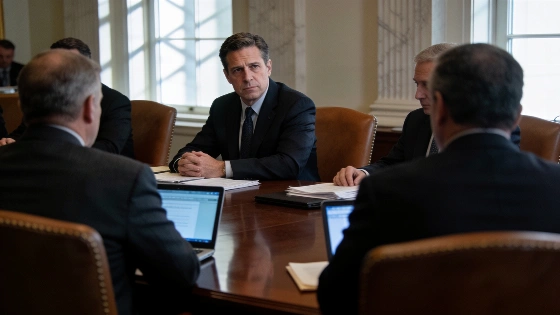
Warsh does not make the decision alone. Minutes from the Fed’s July meeting show many board members support more tightening if inflation stays high. The consensus is that doing nothing would hurt the Fed’s credibility at a crucial time. Reuters points out that not just the rate decision, but also the tone of the statement and press conference, will be watched for hints about future moves.
The surge in US Treasury yields to nearly 5% has intensified pressure on mortgages, auto loans, and credit cards, making borrowing more expensive for households. CNBC notes that this rapid rise in yields is directly linked to expectations of Fed tightening and has already begun to impact broader financial conditions.
External risks are making things harder. The conflict involving the US, Israel, and Iran has escalated, threatening shipping routes in the Middle East. Disruptions in the Strait of Hormuz and Bab el-Mandeb could drive energy prices higher, complicating the inflation picture and adding to the case for a rate hike.
For investors and households, the effects are immediate. Higher rates mean more expensive loans and mortgages, while ongoing inflation reduces purchasing power. The Fed’s decision will ripple through global markets, with Europe and Spain watching closely since US policy often influences international borrowing costs and capital flows.
Analysts at Pimco, the world’s largest bond fund, expect not just this week’s hike but more in the coming months if inflation expectations rise. The Fed’s next moves will depend on how quickly price pressures ease and whether outside shocks get worse.
Warsh is at a turning point. Giving in to political pressure would damage the Fed’s independence and risk higher inflation in the long run. Acting firmly, even if it angers Trump, is the only way to protect the Fed’s authority. Powell’s experience showed that the central bank’s credibility cannot be traded for short-term political comfort. Warsh’s decision will affect not just his own record, but the stability of the US economy at a time of global uncertainty.