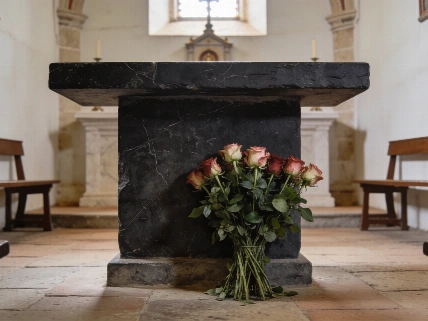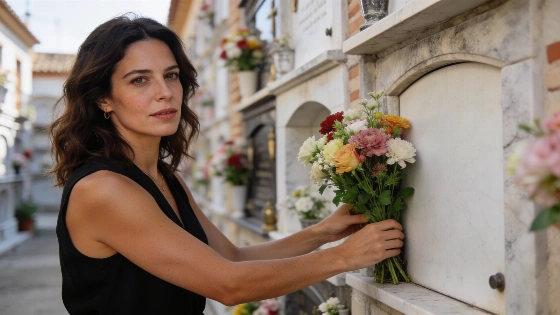
The earliest grave known to have been decorated with flowers dates to about 11,000 BC, roughly 13,000 years ago. No one knows how the custom began, but it has appeared across cultures, from ancient Egypt and India to pre-Hispanic America. Many societies have included flowers and other organic offerings in funerary practices, giving them meanings tied to tribute and grief, as well as remembrance.
Flowers serve as a symbolic tribute to the dead. Families bring them to cemeteries on All Saints’ Day and during visits at other times of year. They once had a practical use, too: flowers helped mask the smell of bodies, alongside their role in remembrance and ritual.
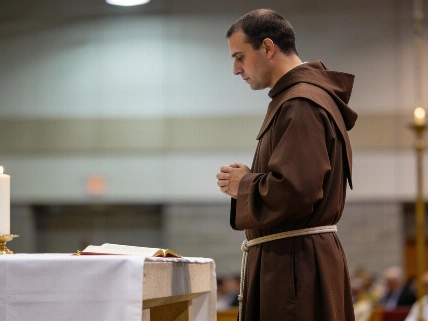
The Catholic observance has a separate history. In the eighth century, Pope Gregorio III consecrated a chapel in the Basílica de San Pedro to all saints and set the celebration for 1 November. On 13 May 732, he dedicated a chapel in St Peter’s Basilica to Christ, Mary, the apostles, martyrs, confessors and the righteous dead. In the ninth century, Gregorio IV extended the feast across the Church and moved its universal observance to 1 November. All Saints’ Day falls on 1 November; the Commemoration of All the Faithful Departed, or All Souls’ Day, comes on 2 November. The calendar also places the Día de los Fieles Difuntos on 2 November and the Víspera de Todos los Santos on 31 October.
Chrysanthemums are the most typical cemetery flower for the occasion, partly because they bloom spectacularly in autumn. They are associated with eternity and respect. The tagete, also called clavel moro, has a different place in Mexican belief: people thought it could help guide the souls of the dead. In Mexico, the marigold Tagetes erecta is known as cempasúchil, a Nahuatl name commonly translated as “flower of 20 petals.” Its vivid orange and yellow flowers, along with their pronounced fragrance, are believed to guide spirits back to their families. Marigolds also appear on ofrendas. Families place photographs alongside candles, and leave food and personal belongings in memory of deceased relatives. The flowers have a strong afternoon scent and are used in perfume-making.
Mexico’s Día de los Muertos is distinct from the Catholic solemnity of All Saints’ Day, though the traditions share the period from 31 October to 2 November and have influenced each other over time. In many places, 1 November is associated with children who have died, while 2 November is linked to deceased adults; customs vary by region. Roses stand for lasting and sincere love, though their meaning can change by colour. Red carnations commonly express admiration and remembrance. Calla lilies are associated with purity and compassion. Gladioli symbolise absence and grief. The lily is described as originating in South American cemeteries and becoming increasingly established in Spain.
For longer-lasting arrangements, the source names zinnias and orchids. It also lists daisies alongside carnations and chrysanthemums, with gladioli, roses and calla lilies among the other options. The source singles out crimson and white roses, with their thorns removed. RUSSPAIN has also covered Spain’s electoral calendar in an earlier report, a separate subject from the religious observance.