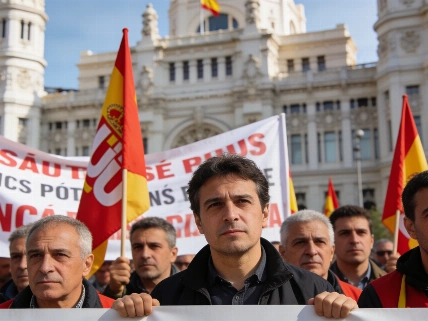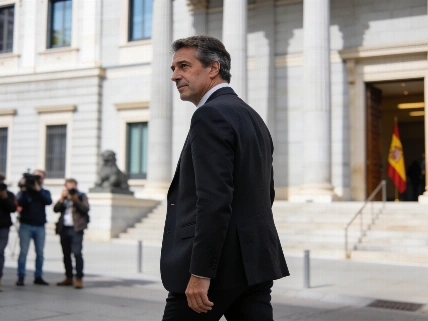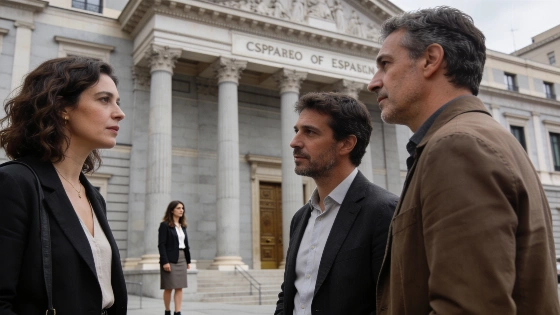
Nine days remain before Frente Amplio must settle its electoral formula for Spain's 29 November elections. Mónica García and Ada Colau lead the discussion, while the coalition weighs a shared structure across Spain's territories.
Nine days remain before the Frente Amplio must settle its electoral formula for the 29 November elections. Mónica García and Ada Colau have gained the most ground as the parties discuss a structure without one dominant figure.
The coalition is being formed for early parliamentary elections on 29 November 2026. A final decision is still pending. No official candidate for head of government had been announced in the latest reports.
Culture Minister Ernest Urtasun is also being discussed as a possible leader. He has not ruled out heading the project, while stressing that the final decision should be collective.
The model under discussion is a "coral" candidacy. Several politicians would appear together and represent the territorial strength of their organisations. It would be a clear change from the hyper-leadership linked to Yolanda Díaz in 2023.
The Frente Amplio has no equivalent national figure at present. García has said she is willing to step forward. Colau confirmed that she was offered the leadership, but she has not said whether she will accept it. She has also insisted that the debate should not revolve around names.
The timetable is tight.
The coalition must submit its lists at the end of October. Electoral commissions are due to approve them on 2 November. The national face, the possible use of primaries and Podemos's participation are all unresolved at once.
The timetable leaves the coalition with several linked decisions: lists are expected to be submitted at the end of October, while the electoral commissions are due to approve them on 2 November. The identity of the national face, the possible use of primaries and Podemos’s participation therefore remain unresolved at the same time.
Antonio Maíllo has described the project as a plural and diverse political space. García, Colau and Maíllo are presented not as rival symbols, but as figures who can give different parts of the coalition a point of identification.
According to Notimérica, the Izquierda Unida coordinator said his party would take part in choosing the candidate. He also said IU would put forward its own proposals "without complexes or limitations".
Maíllo will not lead the nationwide candidacy. He cited his current political responsibilities in Andalusia. Instead, he pointed to a wider group of possible reference figures, including Irene Montero and Joan Baldoví.
That choice is deliberate.
Gerardo Pisarello has made a similar argument. The Comunes spokesperson said in Congress that the leadership should not be built around one person. Several leaders, he said, should carry political responsibility because the coalition itself is plural.
The territorial dispute gives the plan a practical test. Más Madrid wants the right to lead and shape the lists in the Madrid constituency. The party points to its local roots and its 20% vote share.
Under the model now being examined, Más Madrid would have authority in Madrid. The Comunes would retain a central role in Catalonia. Visibility would follow the areas where each organisation has built support.
That is why the leadership question is tied to the lists. The coalition must decide who appears first and how its internal geography is represented. Público has also framed the dispute around territorial representation rather than a contest between individuals.
The contrast with an earlier rain report is useful in only one respect. Both stories are shaped by a fixed timetable. Here, the deadline is forcing political decisions rather than emergency measures.
Podemos remains another open question. The party continues to demand primaries, while the Frente Amplio prefers private negotiations with the political force known as the morados.
LaSexta reported that the offer of talks has settled neither issue. Podemos's entry into the coalition remains undecided. So does the method for selecting candidates.
The choice is therefore not simply between Mónica García and Ada Colau. The coalition must decide whether to place authority in one figure or build a collective ticket around territorial power.
Nine days remain.
The "coral" model could give the Frente Amplio a structure that better reflects its component parties. It also makes the final formula harder to settle. Names, lists and regional influence must all fit together before registration closes.