Valencia Authorities Step Up Response to New Storm, but Controversy Persists. The Valencian Community has changed its approach to handling natural disasters. The latest storm showed that authorities have taken last year's mistakes into account. However, President Mazón's absence from key meetings sparked a wave of criticism. Read more about the situation's development and public reactions in our report.
Last October, the Valencian Community found itself at the center of a devastating flood that claimed hundreds of lives. At that time, the emergency alert came too late—most of the victims were already in danger zones or reported missing. Nearly eleven months have passed, and now local authorities are acting differently: their speed and preparedness have noticeably improved, especially following recent severe weather in the region.
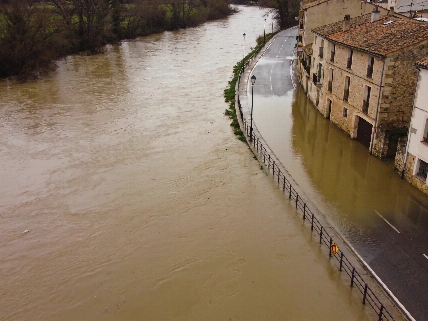
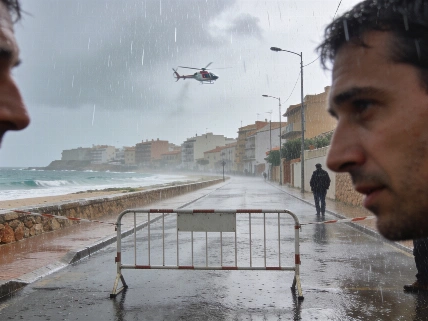
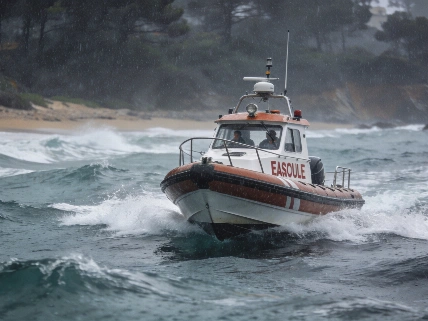
This time, when meteorologists issued a red alert, municipalities warned residents about possible risks in advance. In cities affected last year, protective barriers were set up, and loudspeakers advised people to stay home and avoid low-lying areas. Twelve hours before the storm began, emergency services sent out a mass message recommending that people leave basements and garages—precisely where most of last year's victims were found.
The contrast with last year is clear: back then, officials took a long time to decide when and how to alert the public. As a result, by the time the message finally reached people, the disaster was already raging, and some areas were completely flooded. A subsequent judicial investigation confirmed that critical decisions were made too late and coordination between agencies needed significant improvement.
This time, coordination between the services was much smoother. However, new issues for discussion still arose. President Carlos Mazón was once again absent from key meetings on coordinating actions during the storm. Last year, his absence was attributed to a prolonged lunch, and now it is explained by his participation in a party event in Murcia. Officials claim that the regional leader was kept informed and received all necessary updates from his colleagues. Nevertheless, the opposition and the public did not hesitate to criticize him for a lack of attention to the emergency situation.
The vice president of the government insists that such meetings are technical in nature, and the presence of the top official is not mandatory. However, in March, when a red alert was again declared in the region, Mazón actively took part in the headquarters’ work. Now, his absence has once again become the subject of heated debate, and the explanations seem unconvincing to many—especially in light of last year’s tragedy, when delays cost dozens of lives.
As a result, despite clear progress in organization and public information, the question of the regional leadership’s personal responsibility remains unresolved. The public demands not only swift and effective decisions, but also personal involvement from leaders at critical moments.