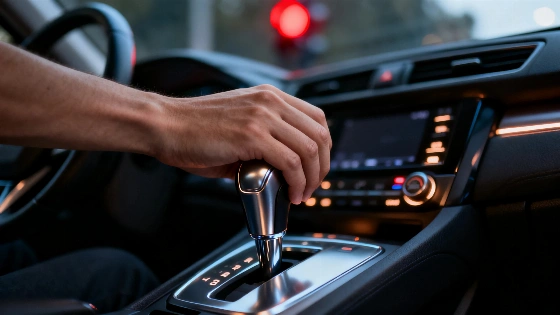
Many drivers believe switching to neutral at traffic lights saves fuel or protects their car. In reality, this habit can accelerate wear and even lead to costly repairs—especially in vehicles with traditional automatic gearboxes.
Stopping at a red light, countless drivers with automatic cars instinctively move the gear selector from Drive (D) to Neutral (N), convinced it’s better for their vehicle or wallet. Yet, for most modern automatics with a torque converter, this routine does more harm than good.
Traditional automatic transmissions are engineered to remain in Drive while stationary, as long as the brake is applied. The system is designed to handle the brief pauses of city traffic without suffering extra wear. According to industry experts, shifting repeatedly between D and N at every stoplight introduces unnecessary internal movement, which over thousands of cycles can accelerate clutch wear and stress transmission components.
Fuel Economy Myths
One of the main reasons drivers adopt this habit is the belief that it saves fuel. However, in vehicles with modern electronic controls, the transmission and engine management systems already optimize fuel consumption automatically. Keeping the car in Drive while stopped has little to no measurable impact on fuel use, making the switch to Neutral largely pointless from an efficiency standpoint.
Comfort and Safety Considerations
Some drivers prefer Neutral at long stops to rest their foot, but most new cars now offer features like Auto Hold or electronic parking brakes. These systems keep the vehicle stationary without the need to shift out of Drive, combining convenience with safety. Additionally, shifting back to Drive when the light turns green adds an extra step, potentially delaying your start and increasing the risk of distraction in busy traffic.
Double-Clutch Transmissions: A Different Story
The situation changes with dual-clutch automatic transmissions. Unlike torque converter automatics, these gearboxes operate more like two automated manual transmissions working in tandem. When left in Drive at a standstill, one of the clutches may remain partially engaged, generating heat and internal friction. Over time, this can lead to increased wear, especially during prolonged stops.
For this reason, many specialists recommend shifting to Neutral during long waits if your car uses a dual-clutch system—unless the vehicle is equipped with technology that fully disengages the clutches when stationary. Knowing your car’s specific transmission type is crucial, as habits that are harmless for one system may be damaging for another.
Know Your Transmission
Before adopting any routine at the wheel, it’s essential to understand what kind of automatic gearbox your vehicle uses. While keeping a traditional automatic in Drive at red lights is safe and recommended, dual-clutch automatics may require a different approach for long stops. When in doubt, consult your owner’s manual or a trusted mechanic to avoid costly mistakes.
As automatic transmissions become more common across all price segments in Spain and beyond, understanding these nuances can help drivers extend the life of their vehicles and avoid unnecessary repairs.