Many drivers turn the ignition and then realize the air conditioning was left on from the previous day. The compressor draws power from the engine when the A/C engages, adding mechanical load, an effect that can be more noticeable in smaller or older vehicles. In many modern cars, but, engine-management systems control idle speed and compressor engagement. Leaving the A/C on by itself is not established as a routine cause of a damaging surge in a healthy compressor; it may instead reveal an existing problem, such as a weak compressor or worn belt. An electrical fault can also be responsible.
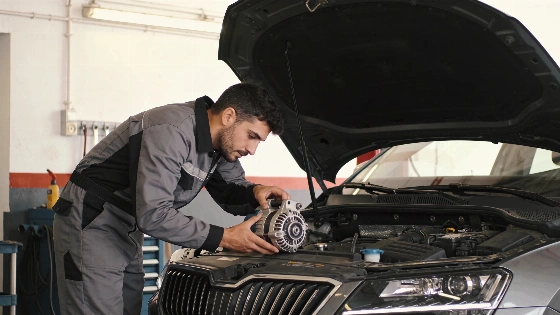
The compressor compresses and circulates refrigerant through the system, so a fault can leave the car with weak or no cooling. Grinding or squealing when the A/C switches on, a slipping belt or damaged hoses, persistent weak cooling, and a refrigerant leak are reasons to stop using the system and arrange an inspection. Low refrigerant can affect performance and damage the compressor, so a leak should be diagnosed rather than addressed simply by topping up the system. Repeated cycling or an unusually heavy load can also point to faults in the electrical system, condenser fan or airflow. Diagnosis should check voltage and compressor operation, including condenser airflow.
The compressor’s condition matters during Spain’s hot summers, when high cabin temperatures can raise the risk of driver distraction. A/C use can also increase fuel consumption, particularly in stop-and-go city driving. Inadequate condenser airflow or a cooling-fan problem may contribute to rising engine temperatures. Those effects are different from evidence that ordinary engine start-up with the A/C left on has damaged the compressor. Unusual overheating, stalling or a marked change in fuel use calls for a broader vehicle inspection.
Repair costs depend on the fault and the vehicle. A recharge, leak repair, electrical repair and compressor replacement are different jobs, and the final bill can vary with parts and labor. A figure such as €1,400 is not a universal price for A/C repairs. Drivers should ask for an itemized estimate, with separate charges for diagnosis, leak detection, refrigerant, labor and parts. Refrigerant should be handled professionally, and a recharge should not substitute for finding and repairing a leak. As noted by mechanics who regularly advise on vehicle maintenance, small habits can make a big difference in avoiding expensive surprises.
Regular checks are a more reliable safeguard than relying on a single start-up habit. Spanish automotive inspection guidance cites a recommendation for an A/C check every 12 months and service every two years, while the right schedule for an individual car depends on the manufacturer’s instructions and its condition. If the system makes an unusual noise, cools poorly or shows signs of a leak, have it inspected promptly. Elespanol Motor reports that prevention and routine maintenance remain the best ways to protect both your comfort and your wallet.