Most vehicles pass Spain’s ITV, but emissions failures remain common. Mechanic Juan José explains why arriving with a warm engine can make the difference—and how a simple habit can help drivers avoid costly retests.
When it comes to Spain’s mandatory Inspección Técnica de Vehículos (ITV), a surprising number of drivers are tripped up by one detail: emissions. According to AECA-ITV data, 81% of vehicles passed the 2025 inspection, but nearly a quarter failed due to lighting, signaling, or emissions issues. For many, the difference between a pass and a costly retest comes down to engine temperature—a detail mechanic Juan José says is often overlooked.
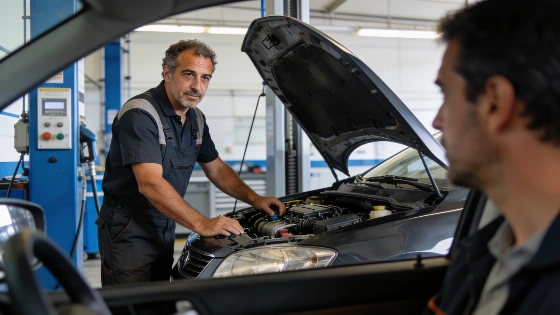
“If you want to avoid a negative result for emissions, you need to bring your car in hot,” Juan José advises. He’s seen countless vehicles fail the emissions check, only to pass after a simple change in approach. The reason is technical but straightforward: both the gas analyzer and the OBD system measure pollutants more accurately when the engine and its components are fully warmed up. For diesel engines, the test focuses on the opacity of exhaust gases—essentially, how much black smoke is produced. High readings often point to incomplete combustion or issues with the exhaust after-treatment system. Petrol engines, meanwhile, are checked for carbon monoxide levels, with excess CO indicating combustion problems.
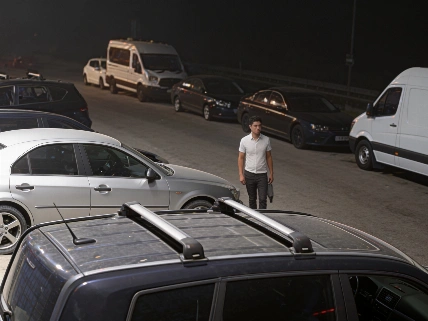
Juan José warns against arriving at the ITV station with a car that’s just been started or has only been driven in city traffic. “It’s common to see cars fail the test when, in reality, there’s nothing wrong with them,” he explains. The underlying issue is that catalytic converters and other emissions-control components need to reach high temperatures to function properly. “You don’t need to drive aggressively,” he clarifies, “but the car should be at operating temperature.” In his workshop, he’s often able to help rejected vehicles pass simply by warming up the engine and giving it a few strong revs before retesting.
This practical advice can save drivers time and money, but Juan José is quick to add that regular maintenance remains the best defense against ITV surprises. Keeping the engine, exhaust, and emissions systems in good condition not only improves the odds of passing inspection but also extends the life of the vehicle.
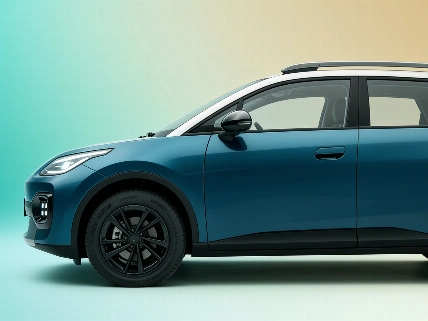
Emissions standards and testing procedures have become stricter in recent years, reflecting broader efforts to reduce air pollution and improve public health. For those considering a switch to electric or hybrid vehicles, it’s worth noting that these models are subject to different inspection criteria. For a look at how new technologies are shaping the automotive landscape, see this comparison of four standout electric SUVs that are redefining everyday driving in Spain.
As the ITV continues to evolve, small details—like arriving with a warm engine—can make a real difference. For Spanish motorists, a little preparation remains the simplest way to avoid unnecessary setbacks at inspection time.