How a French Sociologist Changed the Approach to Electoral Polls in Spain. In 1977, EL PAÍS commissioned its first independent electoral poll. French sociologist Francis Huss predicted the election outcome more accurately than anyone else. His approach set a precedent for the Spanish press.
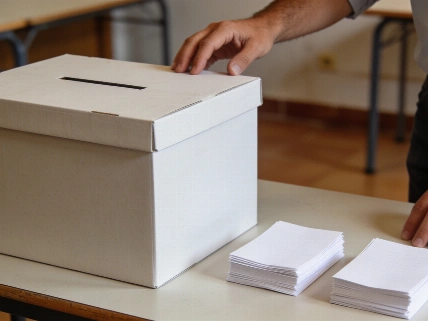
In June 1977, on the eve of Spain's first democratic elections after the dictatorship, the newspaper EL PAÍS took a step that changed the country's approach to electoral sociology. The publication commissioned a large-scale study from the French company Sofemasa, headed by Francis Huss, and published its own electoral forecast for the first time. This experience became the starting point for independent polling in the Spanish press.
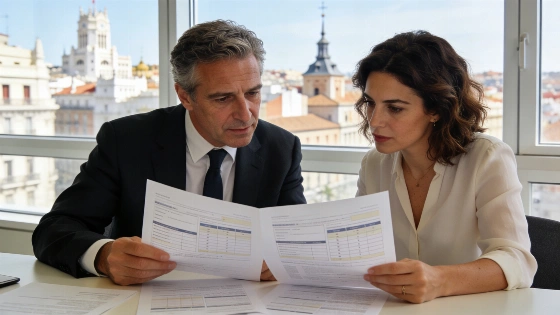
Amid uncertainty and a lack of tradition in electoral research, Huss and his team were able to predict a UCD victory with minimal error—the difference from the actual result was just one percentage point. According to EL PAÍS, the study's budget at the time reached 35 million pesetas—by today's standards, that's over 400,000 euros, several times higher than current expenditures on similar polls.
The work was conducted exclusively in person: to form a representative sample, specialists surveyed two thousand people, taking into account nine key characteristics—from education to place of residence. The first wave of the survey revealed a high level of uncertainty among voters, but by the third wave, three days before the elections, analysts had managed to adjust the data to account for hidden preferences.
Francis Huss, a native of Strasbourg, arrived in Spain in 1962 and by the time of the historic elections was already heading the Spanish branch of Sofres. His expertise was sought after not only by EL PAÍS: in the following years, the company worked with major political and business entities, including CEOE. Notably, at the employers' request, a poll was conducted on the possible replacement of Manuel Fraga as leader of the right-wing forces—an election unexpectedly won by the then little-known José María Aznar.
The system of independent polling established in 1977 became the standard for Spanish media. However, Huss himself, now 93, is skeptical about today's 'low cost' research, considering it less reliable. He emphasizes that maintaining political neutrality is essential for objective work in this field—in contrast to some current leaders of state institutions.
The story of Francis Huss and his contribution to Spanish sociology is a reminder of the importance of independence and professionalism in working with public opinion. In modern Spain, polls remain an integral part of the political process, although their methods and cost have changed significantly. For comparison, other European countries are also debating the credibility of electoral research, as shown by the materials on the French authorities' reaction to a critical case of hantavirus infection— details in our archive.
For reference: after 1977, Spain established the Center for Sociological Research (CIS), which became the main state institute for studying public opinion. However, independent surveys initiated by private media outlets still play an important role in informing the public about political trends.