Tyres are more than just rubber—they are the only link between your car and the road. Mechanic Jesús Alloza reveals why correct tyre pressure and simple habits can make the difference between safety and costly repairs.
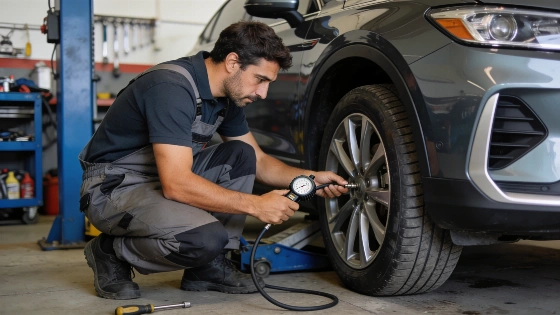
When Jesús Alloza checks a car, he starts with the tyres. For him, the difference between a safe journey and a dangerous one often comes down to a number printed on a sticker—usually found on the driver’s door or inside the fuel cap. That number is the manufacturer’s recommended tyre pressure, and ignoring it, he warns, is a mistake that can cost drivers far more than they realise.
Tyres are the only part of a car that actually touches the road. If the pressure is too high, the contact patch shrinks, leading to uneven wear and less grip—especially when braking. Too low, and the tyre’s sidewalls flex more than they should, increasing friction, wearing out the edges, and making the steering feel heavy and unpredictable. Alloza points out that both extremes can shorten tyre life and, more importantly, compromise safety.
He also shares a habit that surprises many: he never parks with the wheels turned. “When you leave the steering at an angle, certain components—like boots and dust covers—are left stretched or compressed,” Alloza explains. Over time, this tension can damage parts that are expensive to replace. It’s a small detail, but one that can make a difference over years of driving.
Regular checks are essential, especially as summer approaches and Spanish roads heat up. According to RACE, most cars require pressures between 2 and 2.5 bars, but the exact figure depends on the model and how much weight the car is carrying. During long trips, especially in hot weather, tyres face extra stress, making correct inflation even more critical.
Alloza’s advice goes beyond tyres. He recommends always pressing the clutch when starting or stopping the engine to protect the dual-mass flywheel—a part that ensures smooth power delivery in modern cars. He also suggests letting the engine idle for at least 30 seconds before driving off, giving oil time to circulate, and driving gently for the first 8–10 minutes until the engine reaches its optimal temperature.
These habits, he says, are not just about prolonging the life of your car—they are about making every journey safer and more comfortable. As Spanish drivers increasingly look for ways to cut costs and avoid unexpected repairs, such practical advice is gaining attention. For those considering a new vehicle, comfort and efficiency are also key factors, as seen in the growing interest in models like the Volkswagen Passat 2.0 TDI 4Motion, which has set new standards for family travel on Spanish roads, according to recent reviews.
For drivers in Spain, the message is clear: a few minutes spent checking tyre pressure and adopting simple habits can prevent bigger problems down the road. As temperatures rise and travel increases, these details matter more than ever.