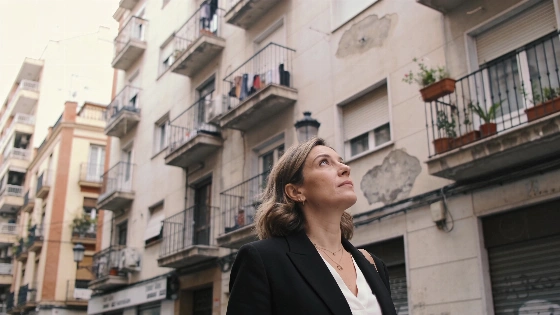
Housing policy brought a sharp divide into focus during the interviews: Sánchez wants to change the land law to enable more construction, while Ada Colau opposes speculation. Feijóo backed building more homes, linking a million new properties to 500,000 jobs. The debate unfolded amid an acute housing-affordability crisis, with competing calls to expand supply or curb speculation. On 12 November, after the lower house was dissolved, Congress’s Permanent Deputation approved Royal Decree-Law 29/2026. The decree extended certain eligible rental contracts by two years, capped rent increases at 2% and restricted increases on rents already above the government’s neighborhood reference price. It also extended eviction protections for financially or socially vulnerable tenants until the end of 2030 where regional authorities could not provide alternative accommodation.
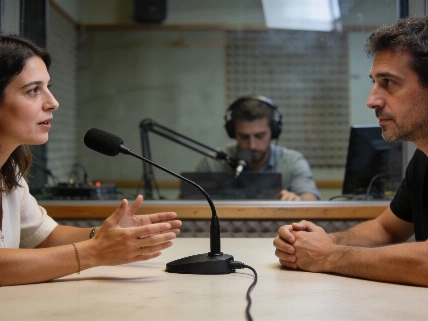
During the campaign for the 29 November general election, Jordi Wild interviewed Sánchez, Feijóo and Colau. The same questions gave the candidates a chance to spell out their contrasting policy positions. The PP had already put Catalonia at the centre of its campaign launch in Badalona, covered in an earlier campaign report. The housing measures followed a general strike and large demonstrations over housing costs, the Associated Press reported.
On the economy, Sánchez said Spain was experiencing one of the strongest periods in its democratic history. He pointed to increases in the minimum wage and pensions as measures he had promised and delivered, but cited no supporting figures in the interview. Spain’s statutory minimum wage rose from €736 per month in 14 payments in 2018 to €1,221 in 2026, a cumulative increase of 66%, according to an analysis cited by Democrata. The Juan de Mariana Institute estimated that the increase corresponded to 238,000 fewer jobs since 2018; that was the institute’s estimate, not an official government figure. CaixaBank Research forecast Spain’s 2026 GDP growth at 2.6%, compared with 1% for the euro area. Feijóo disputed the positive assessment, saying he did not believe the data. He argued that productivity had fallen and attributed the rise in the number of citizens to more than four million people, mostly immigrants.
Feijóo also pledged to update pensions in line with the consumer price index if the PP reached government. Colau called for tax reform so people with greater wealth would pay more.
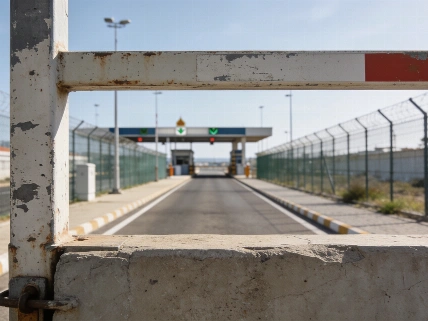
The candidates also split over Ceuta. Feijóo said Morocco should not be treated as a strategic EU ally while it was invading EU territory. Colau said she believed the events in Ceuta could not have happened without Morocco's permission. Sánchez stopped short of directly blaming the Moroccan government, referring instead to what he described as a hoax and an interested reading of a Supreme Court ruling. Migration pressure around Ceuta was part of wider movement across North Africa: the Mixed Migration Centre reported thousands of crossings into Ceuta during the first half of 2026 and cited estimates of as many as 80,000 refugees and migrants crossing from Morocco over 48 hours at the end of July.
On migration, Feijóo claimed that half a million immigrants were receiving payments despite not having worked a single hour in the previous year. The PSOE rejected the argument that migrants take jobs, which it attributed to the far right. Colau said she did not regard migration as a problem. The OECD reported that Spain received about 460,000 new immigrants on a long-term or permanent basis in 2025, 25% more than in 2024. Separately, a regularization process for foreign nationals resident in Spain before 1 January 2026 accepted applications from 16 April to 30 June. By 2 July, around 1.2 million applications had been submitted and nearly 610,000 admitted for processing, according to figures from Spain’s Ministry of Inclusion, Social Security and Migration cited by the OECD. CaixaBank Research reported that foreign workers registered with Social Security increased by 576,188 in the year to 30 September 2026, with 421,306 of that rise attributed to the extraordinary regularization.
The interviews also asked the candidates to assess one another. Colau described Feijóo as a sincere man of the right. She said Sánchez did not make progressive policies without pressure. Sánchez called Colau an activist and characterised Feijóo as a twentieth-century conservative. Feijóo described Sánchez as a great disappointment and criticised Colau's management of Barcelona.