Nearly half of young drivers admit using car assistance systems to multitask behind the wheel. As France trials Tesla’s autonomous tech, Europe faces tough questions about the real impact of automation on driver attention.
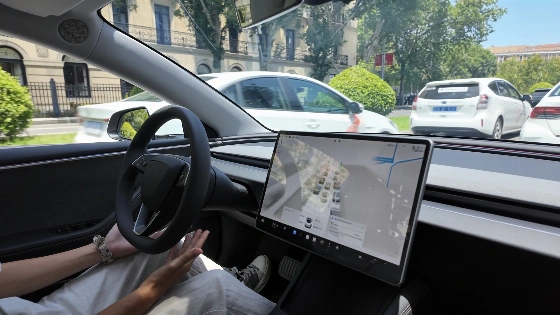
Scroll through any city street and you’ll spot it: a young driver, eyes flicking to a phone, hands barely on the wheel. This isn’t just a hunch. A survey for AXA Deutschland, run by YouGov with over 2,000 German adults, found nearly half of drivers under 25 use car assistance systems so they can check messages or eat while driving.
The numbers don’t lie. Among 18 to 24-year-olds, 48% admit to using driver aids for things that have nothing to do with driving. For young men, it’s even higher—63%. The tech meant to keep people safe is now a green light for distraction.
From July 2026, the EU will require all new car types to include a driver distraction warning system that monitors eye movement, head position, blinking, and signs of fatigue, issuing alerts or even initiating emergency stops in certain cases.
Still, most people like these systems. Seventy-seven percent of those surveyed say automation makes roads safer. But even fans have doubts. Forty-four percent think drivers trust the tech too much and get careless. Arne Kleines, AXA’s Director of Motor Insurance, put it bluntly: “Those who see technology as a substitute for their own attention quickly turn a safety improvement into an additional risk.”
City drivers see the biggest upside. Forty-one percent of urban residents say automation has helped them dodge danger, compared to 34% in rural areas. Cities are crowded. Cyclists, scooters, and pedestrians fill the streets. Early warnings matter. But city traffic also tempts drivers to multitask. The sense of safety can fool people.
Not everyone is careless. Drivers who are on the road at least five days a week use these systems more responsibly. Only 12% of frequent drivers admit to using assistance features for distractions. These drivers are both the most hopeful about the tech and the most careful with it.
According to the European Road Safety Observatory, driver distraction is a factor in 10–30% of all accidents, highlighting that the issue extends far beyond just autopilots and driver assistance systems. EU regulators expect that new safety technologies could prevent up to 25,000 deaths and 140,000 serious injuries annually, which is why attention monitoring is becoming a regulatory priority.
Automation isn’t all risk. Thirty-seven percent of people say these systems have already helped them avoid danger. But more than 20% have ended up in risky situations because of a driver assistance feature. The line between help and hazard is thin. Overconfidence blurs it.
Look ahead. Nearly half of Germans think future generations won’t be able to drive safely without these technologies. Younger drivers already see automation as normal, not just a tool. This gap is shaping how carmakers and regulators roll out new autonomous features across Europe.
France is now testing Tesla’s autonomous driving systems. The results could decide if this tech spreads to Spain and other European countries. The real question isn’t just about what the machines can do. It’s about what people do when the car takes over. New rules for personal mobility vehicles are coming in—like Spain’s upcoming ban on uncertified electric scooters, as reported earlier. The debate over how much trust to put in automation is heating up.
The data tells a clear story. Automation can save lives. But only if drivers stay alert. Europe’s real challenge isn’t just building better tech. It’s making sure people use it wisely. Until then, safer roads are only as strong as the next driver’s attention span.