The defense for José Luis Rodríguez Zapatero has filed a sweeping nullity request in the Plus Ultra case. This move questions the legitimacy of key evidence and could redefine the boundaries of judicial investigations in Spain.
The legal battle surrounding the ‘caso Plus Ultra’ has entered a decisive phase as the defense of former Prime Minister José Luis Rodríguez Zapatero formally contests the validity of nearly all evidence collected in the case. The motion, submitted by his lawyer Víctor Moreno Catena, seeks to nullify core elements of the investigation, directly challenging the methods used to obtain and handle crucial materials.
At the heart of the dispute are WhatsApp messages and recorded conversations between third parties, which the defense argues were acquired without proper judicial oversight. The legitimacy of these materials, central to Judge José Luis Calama’s initial rulings, is now under scrutiny. Zapatero’s team claims that fundamental rights may have been violated during the collection, analysis, and dissemination of this evidence, raising questions about the integrity of the entire process.
Until now, Judge Calama has managed the proceedings with caution, relying heavily on reports from the Unidad de Delitos Económicos y Fiscales (UDEF). However, the defense’s latest move shifts the confrontation directly into the judicial arena, forcing a debate over the limits of investigative authority and the right to a fair defense. The request for nullity not only targets the scope of the investigation but also highlights the tension between technological advances in evidence gathering and the protection of privacy and communication secrecy.
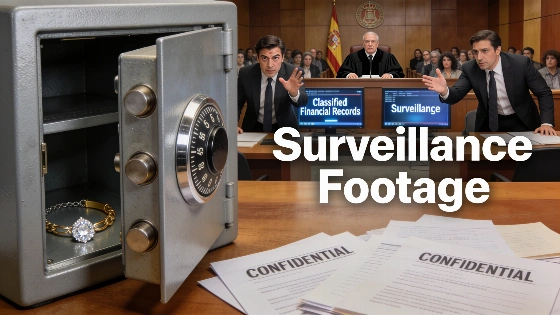
Zapatero has maintained a low profile throughout the proceedings, limiting his public statements to a brief denial of any criminal activity and a defense of his presumption of innocence. The situation became more complex after authorities discovered valuable items in the former prime minister’s office safe, which were later displayed in a manner reminiscent of stolen goods. Disputes over the value and appraisal of these items have further fueled political debate, though the judicial process remains more stringent in its evidentiary standards.
The defense’s strategy has evolved from initial procedural requests—such as urging the judge to verify the guarantees surrounding the incriminating recordings—to a comprehensive challenge of the investigation’s foundation. Judge Calama previously declined to seek further clarification from U.S. Homeland Security Investigations (HSI) regarding the chain of custody for the evidence, but the defense is now pressing for higher-level review, potentially involving the Audiencia Nacional.
This legal maneuver comes amid broader discussions in Spain about the compatibility of new investigative technologies with constitutional rights. The outcome of this case could set important precedents for how digital evidence is treated in Spanish courts. The debate also echoes recent controversies involving political figures and judicial scrutiny, as seen when public criticism erupted over the handling of corruption cases linked to PSOE leadership.
For context, the Plus Ultra case is one of several high-profile legal proceedings in Spain that test the balance between effective law enforcement and the protection of individual rights. The Audiencia Nacional, Spain’s central criminal court, often handles such complex cases involving political figures and sensitive evidence. As the legal process unfolds, the focus will remain on whether the evidence against Zapatero can withstand rigorous judicial scrutiny and what this means for future investigations involving digital communications and privacy concerns.