José Luis Rodríguez Zapatero told a judge that Saudi King Abdalá bin Abdulaziz personally gave him jewels found in his office in 2007. The pieces are worth around 1.3 million euros. They were never declared to Hacienda. Investigators are examining how they entered Spain and how they should have been treated for tax purposes.
The former prime minister says the king gave him the jewels at his residence in the Palacio de la Moncloa. He describes it as a strictly personal gesture. That differs from earlier accounts, which described the delivery as part of official protocol. Judicial documents reported by Spanish media say the gift was handed over in Madrid during King Abdalá bin Abdulaziz’s official visit on June 18 and 19, 2007.
The case also involves a rule approved while Zapatero was prime minister. The Código de Buen Gobierno came into force in 2005. It required officeholders to reject gifts beyond normal customary use. Gifts with greater institutional significance had to be transferred to Patrimonio del Estado.
Zapatero has not produced independent documents proving the handover took place. Instead, he has asked the Embassy of Saudi Arabia to certify it. Investigators are also examining who brought the jewels into Spain and who owned them.
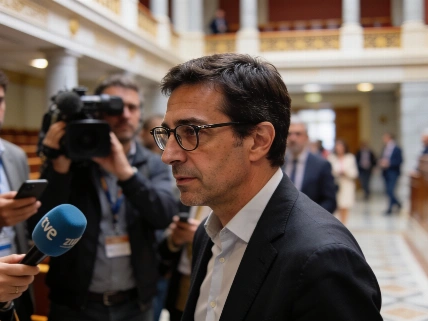
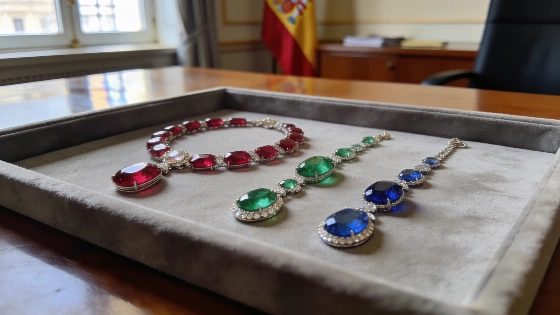
The collection includes rubies and emeralds. It also contains sapphires. Zapatero says he did not know what they were worth. He says they remained in storage, unused and without an assigned purpose. Spanish public broadcaster RTVE reported that his defence is seeking official confirmation from Saudi authorities, not relying solely on his account. National Court judge José Luis Calama is handling the case as part of an investigation connected to the Plus Ultra affair.
Investigators must also decide whether the jewels could be linked to a smuggling offence. Their tax treatment is a separate central issue, including any effect on the former prime minister’s personal income tax and wealth tax declarations. La Vanguardia reported that the inquiry covers a possible customs offence and potential tax offences.
Zapatero says he received the jewels in June 2007. That date could bring a possible personal income tax evasion issue closer to prescription, but it does not settle the wealth tax question. Investigators will need to examine the net assets and applicable minimum thresholds in the declarations filed, including the fiscal value given to the pieces.
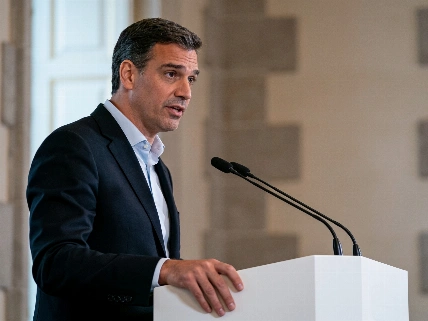
Pedro Sánchez defended Zapatero, saying the rule requiring valuable gifts to be rejected or handed to the state did not exist in 2007. The record cited in the case contradicts that claim: the Código de Buen Gobierno was approved in 2005 and was already in force.
The court must establish more than who gave the jewels. It must determine how they entered Spain and who controlled them. It must also establish their value and whether receiving them created legal or tax obligations. Until those points are documented, the personal-gift explanation remains an assertion, not proof. The case also highlights the gap between public ethics rules and the private handling of a fortune kept in an official setting.