An estimated 437 people with chronic kidney disease in Zaragoza I and II could benefit from a programme designed to preserve veins for future dialysis access. The first phase covers the health sectors served by the Miguel Servet and Royo Villanova hospitals, as well as Nuestra Señora de Gracia.
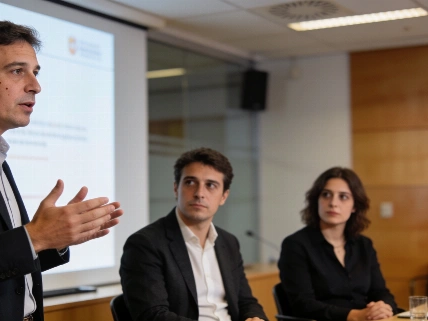
The campaign, called “Protege tus venas”, was presented to healthcare professionals at the Miguel Servet on Thursday 5 November. It asks staff to consider a patient’s future need for vascular access when arranging blood tests or intravenous lines, and when planning other procedures. A later presentation is planned for patients, alongside information materials and measures to help staff identify people enrolled in the programme.
The concern is repeated use of veins that may later be needed to create an arteriovenous fistula, the preferred access route for haemodialysis. The fistula allows blood to be removed and returned during treatment. Repeated punctures and cannulation can damage veins, leaving fewer options when dialysis becomes necessary. The campaign encourages teams to avoid duplicate blood tests, coordinate requests between services and use alternative veins where clinically possible. Vascular surgeons create the fistulas used for dialysis.
The project adapts an approach developed in the British health system for Aragón. The Miguel Servet’s multidisciplinary team brings together nursing and nephrology, with support from vascular surgery and interventional radiology. The clinical focus differs from the building preservation discussed in a separate heritage report.
Isidoro García Escribano, a nephrologist at the hospital, says haemodialysis depends on access that can carry enough blood flow for treatment. He links access quality with treatment results, patients’ capacity for rehabilitation and their survival. The programme aims to help patients reach dialysis with veins suitable for an effective fistula. That can reduce the need for catheters or vascular grafts.
The hospital’s vascular surgery service is also working to shorten care pathways so patients can start dialysis with a mature fistula. Its other priorities include a “Código fístula” response to access dysfunction or thrombosis, alongside the vein-preservation project. The programme’s identification measures are intended to help clinical staff recognise enrolled patients.
Patient information materials include leaflets and posters, plus a QR code with reminders for appointments and diagnostic tests. Participants can also receive a wristband and information card; an alert in the electronic health record is intended to tell staff that a patient is enrolled.
The initiative is part of a wider Spanish renal-care system in which around 70,000 people receive renal replacement therapy, according to reporting from the 56th Congress of the Spanish Society of Nephrology. The same report says 58% of those patients have a functioning kidney transplant.
Spain’s 2025-2028 development document for the National Health System’s chronicity strategy includes chronic kidney disease among priority health issues and promotes home dialysis for people with advanced disease who need renal replacement therapy. The national objectives reported at the nephrology congress are for at least 30% of people starting dialysis to begin treatment at home and for at least 10% of all dialysis patients to receive home treatment.